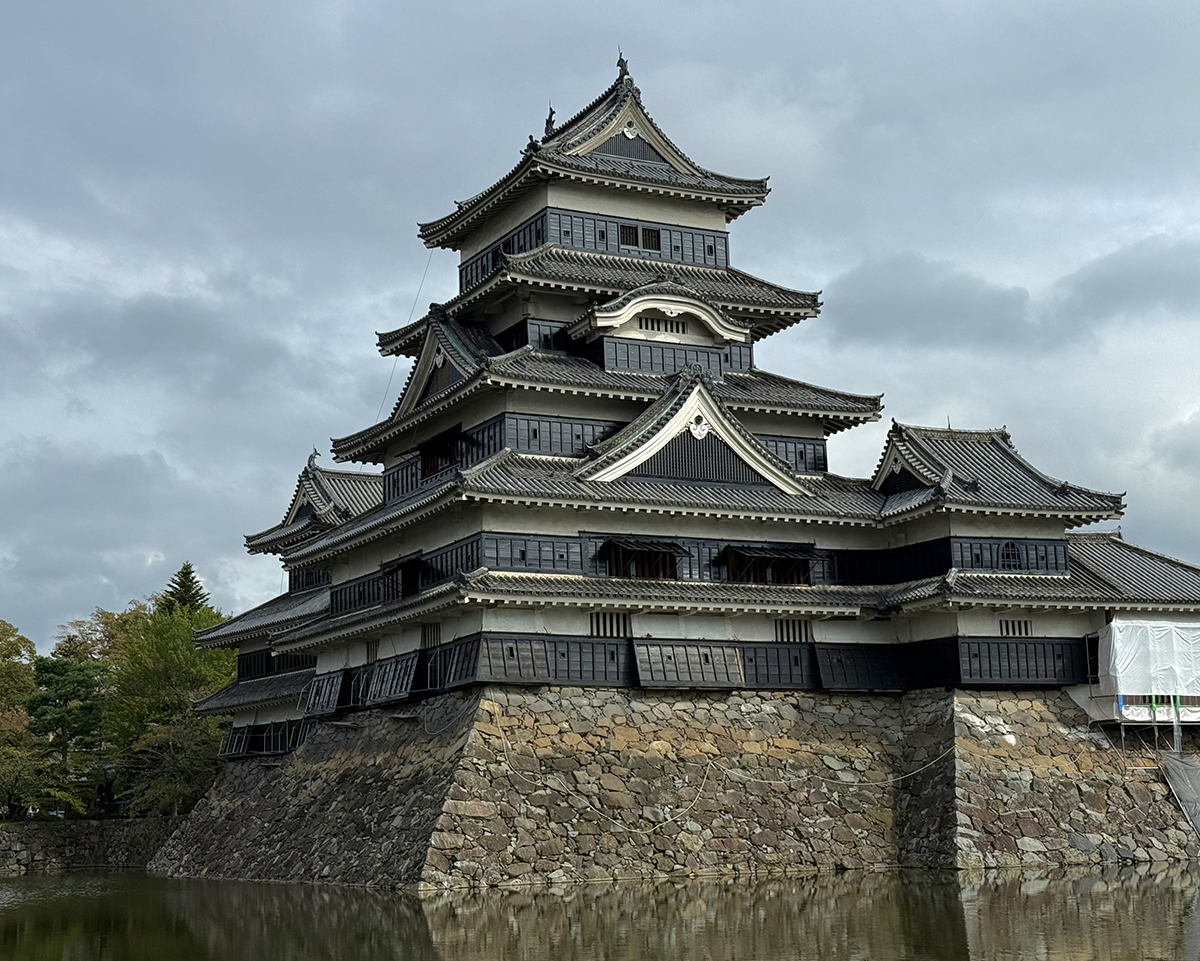
Move over James Bond, because Q was not the first to think of hiding a gun in something no one would suspect! Deep within the maze of Matsumoto Castle is an antique gun museum with an exhibit of sneaky weaponry that would fool Ernst Blofeld.
The first is a gun disguised to look like a jitte…
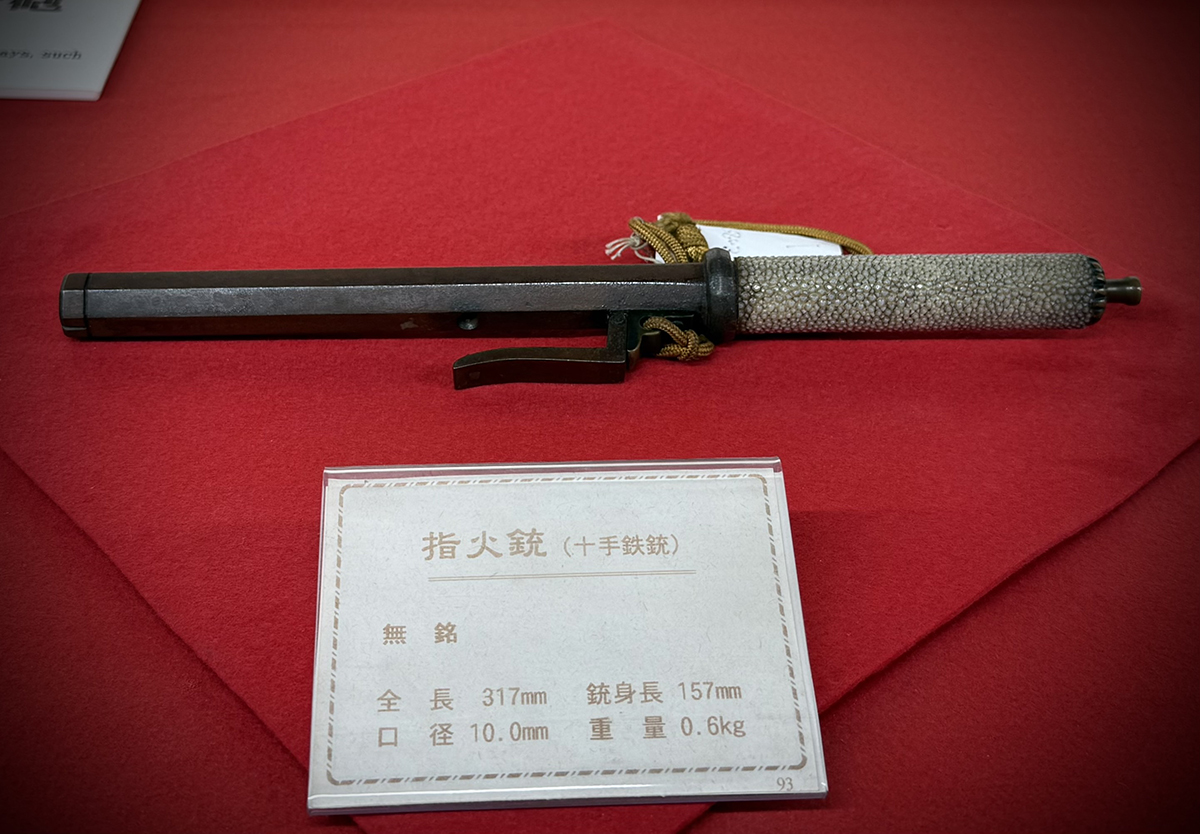
which was the weapon carried by Japanese police.
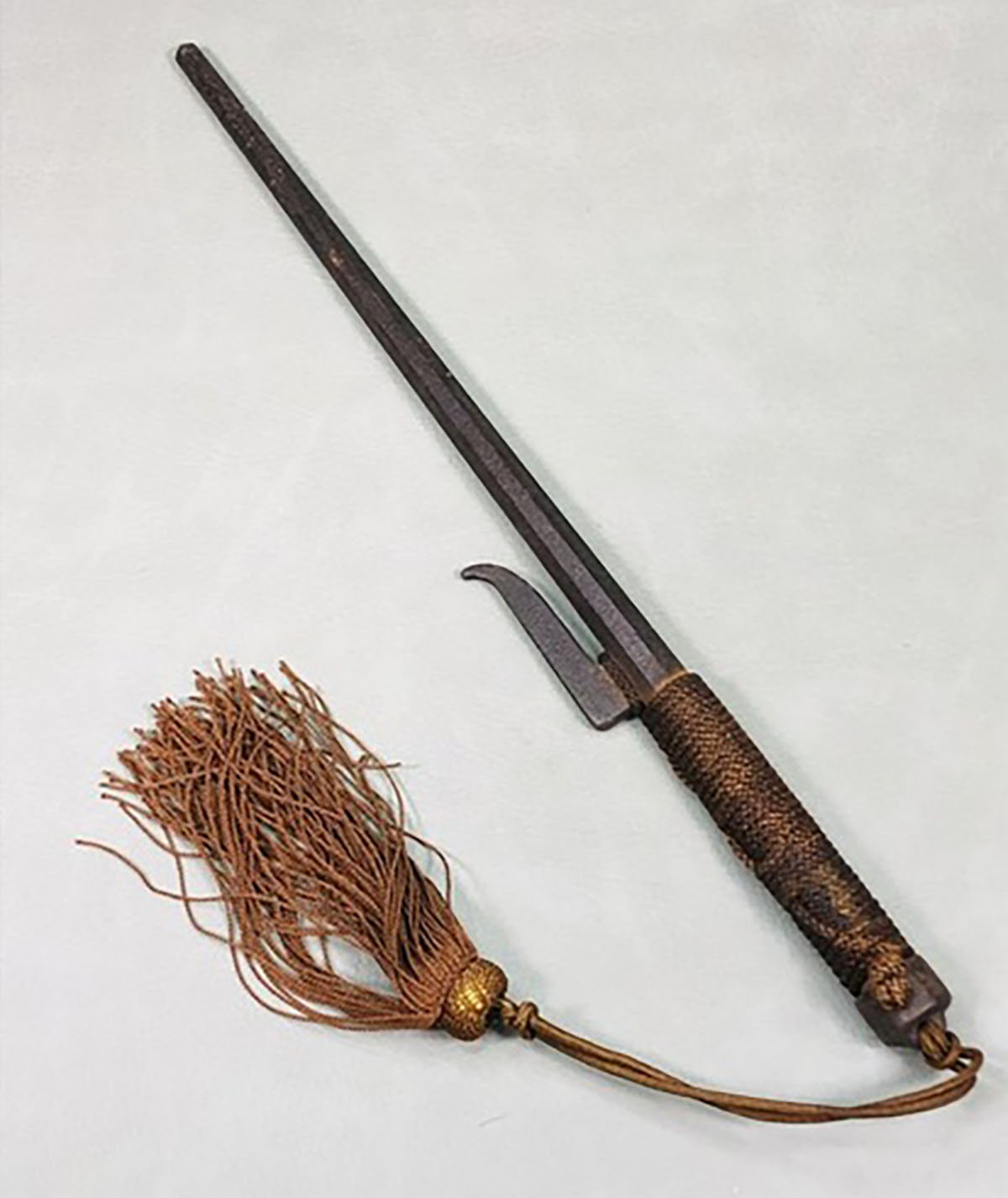
Just when an evildoer thinks they’re safe from being jitte-ed from behind…
Surprise! Boom.
The next is a gun so skillfully disguised as a samurai’s tantō short sword…
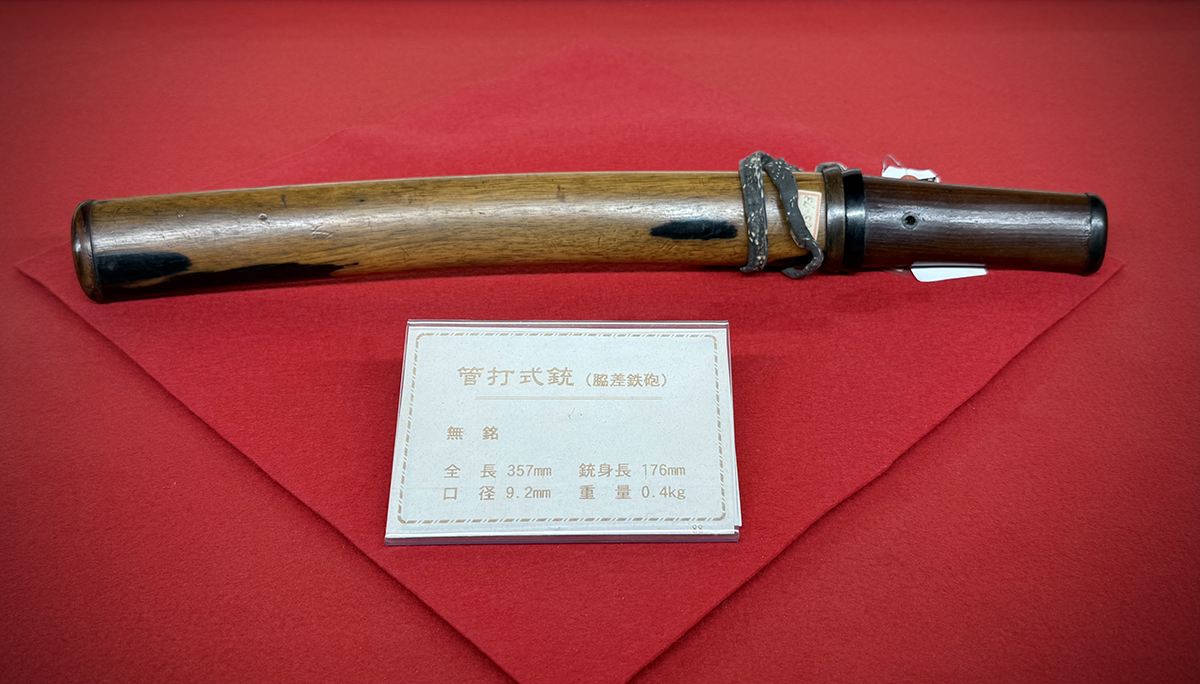
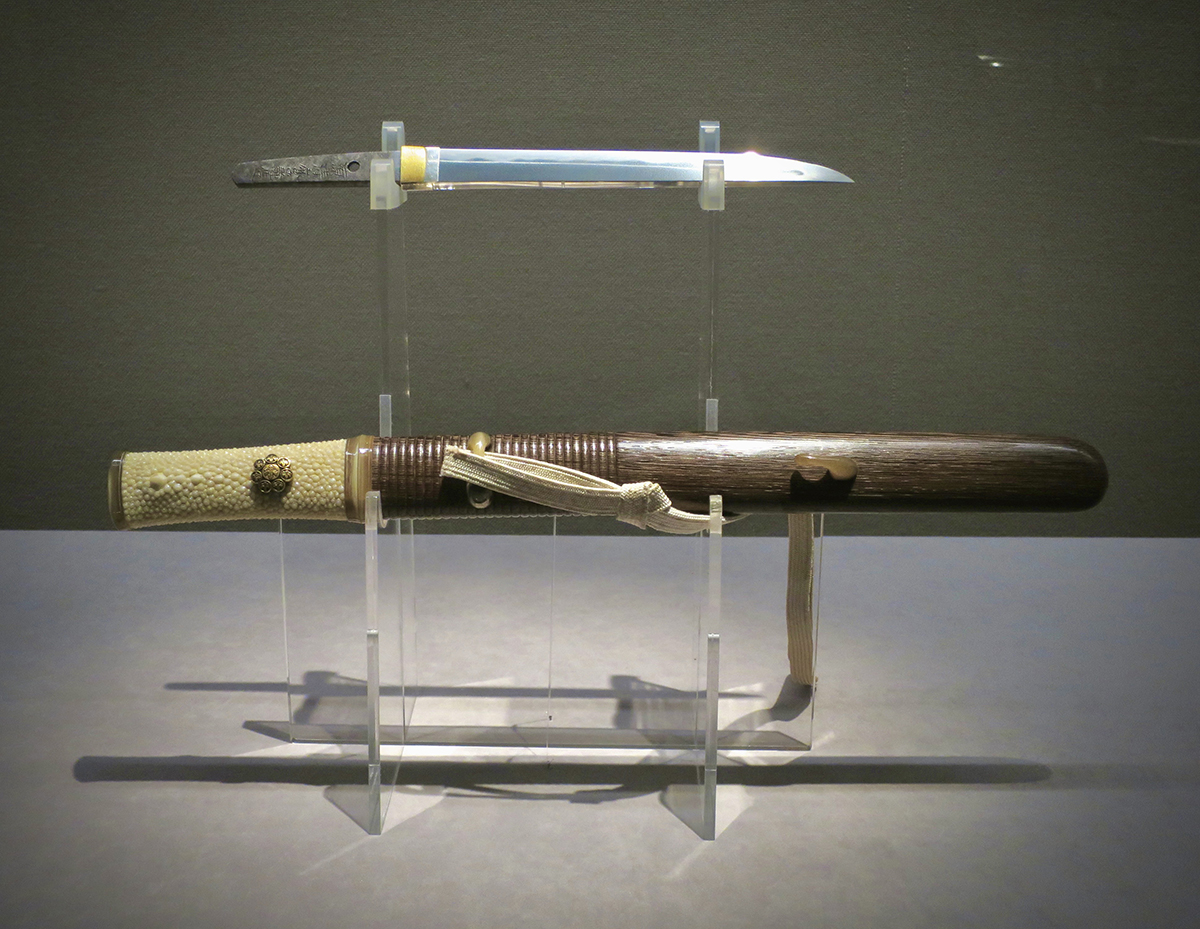
that it must have been extra-deadly. This tantō-gun was an especially diabolical cheat because the short sword was mostly used for self-defense. Samurai were often allowed to keep these with them, even in establishments where they were expected to surrender their long swords (inns, teahouses, the pleasure quarter, as a guest at a lord’s castle, etc.)
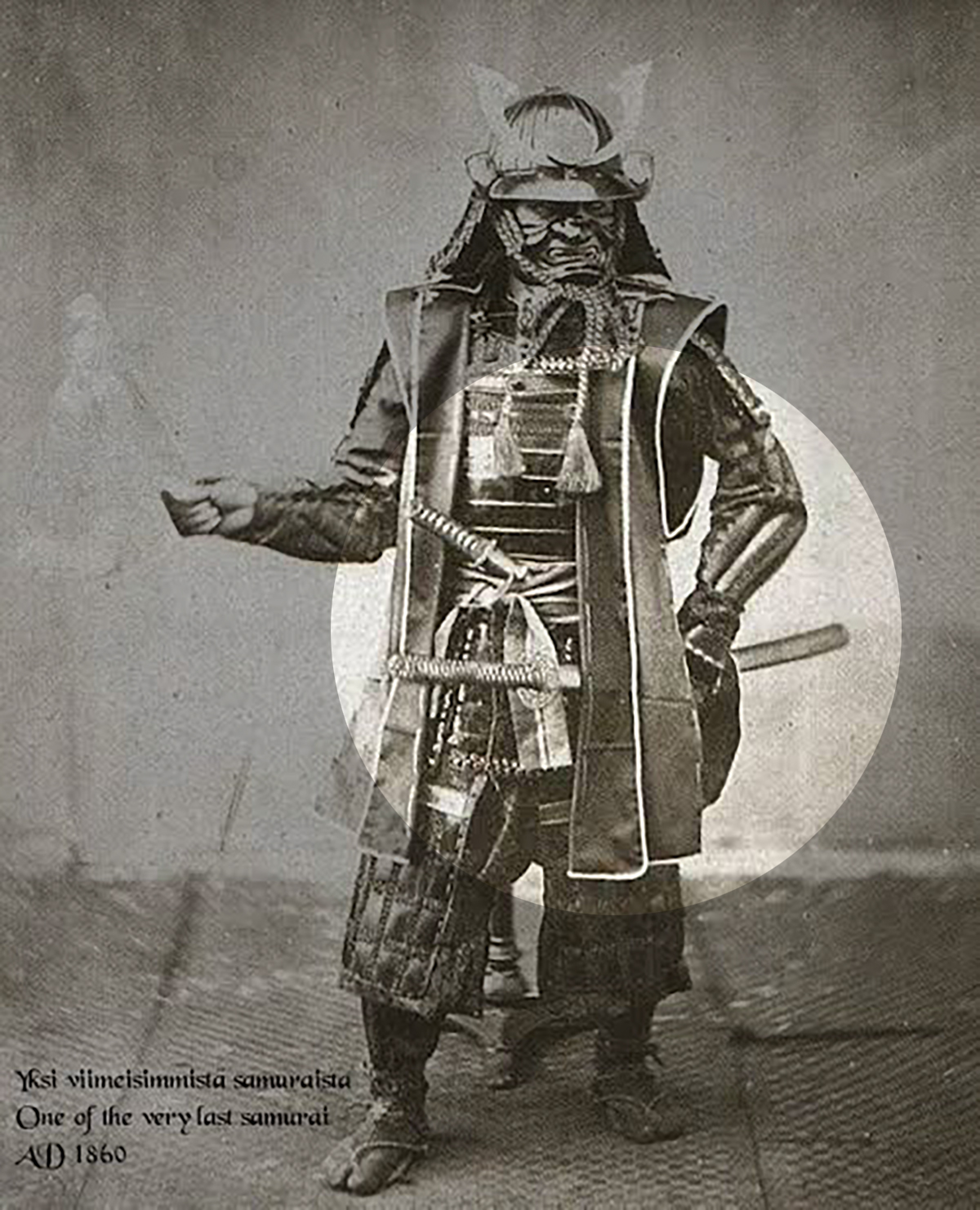
And if you think Al Capone invented the sawed-off shotgun booby trap, think again. There were sawed-off muskets designed to be used as triggered booby traps back in 1800s Japan!
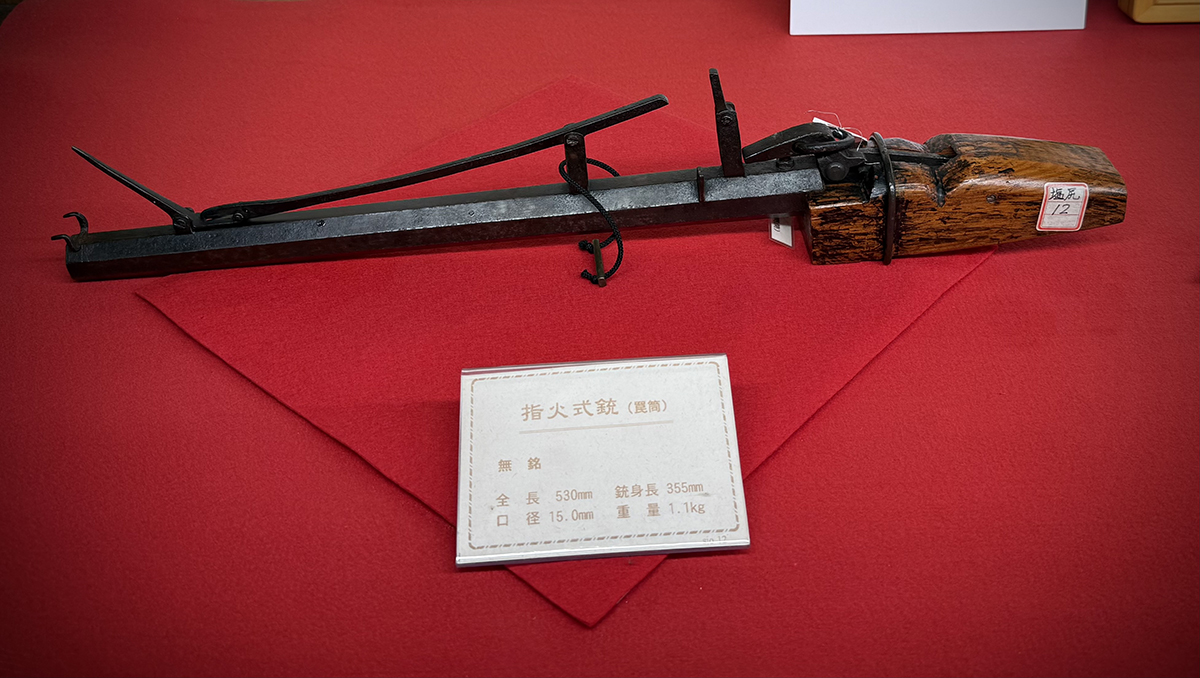
Of course, if subtlety wasn’t your thing…
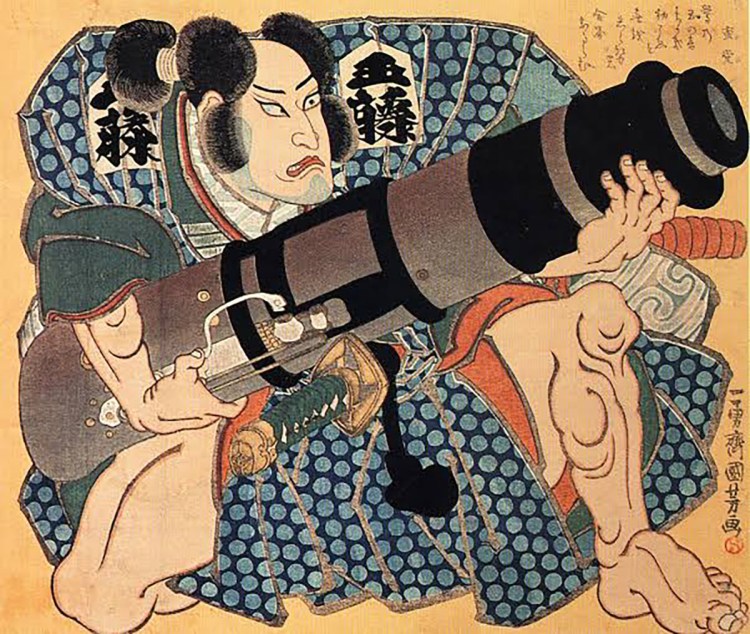
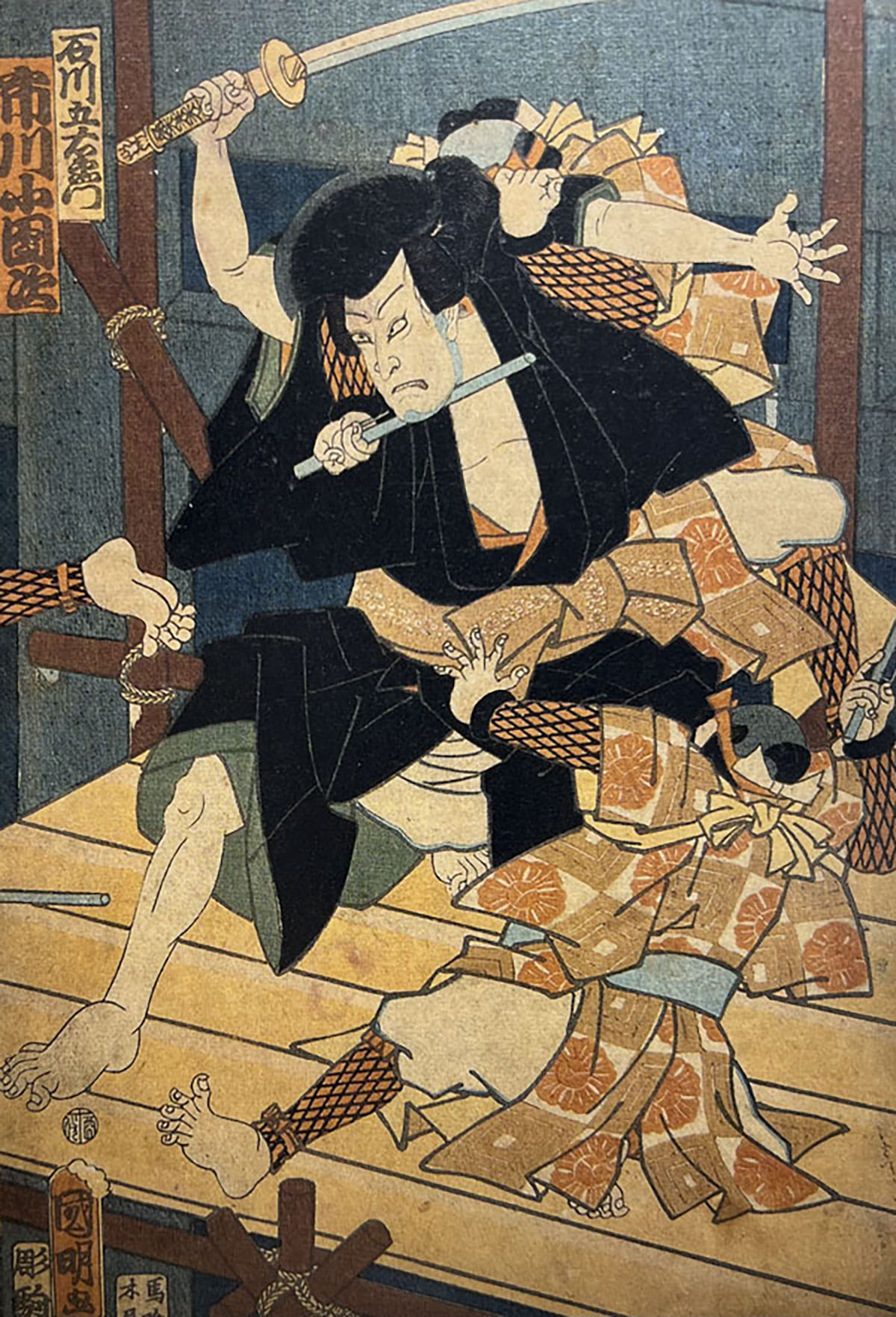
there was always the hand cannon.
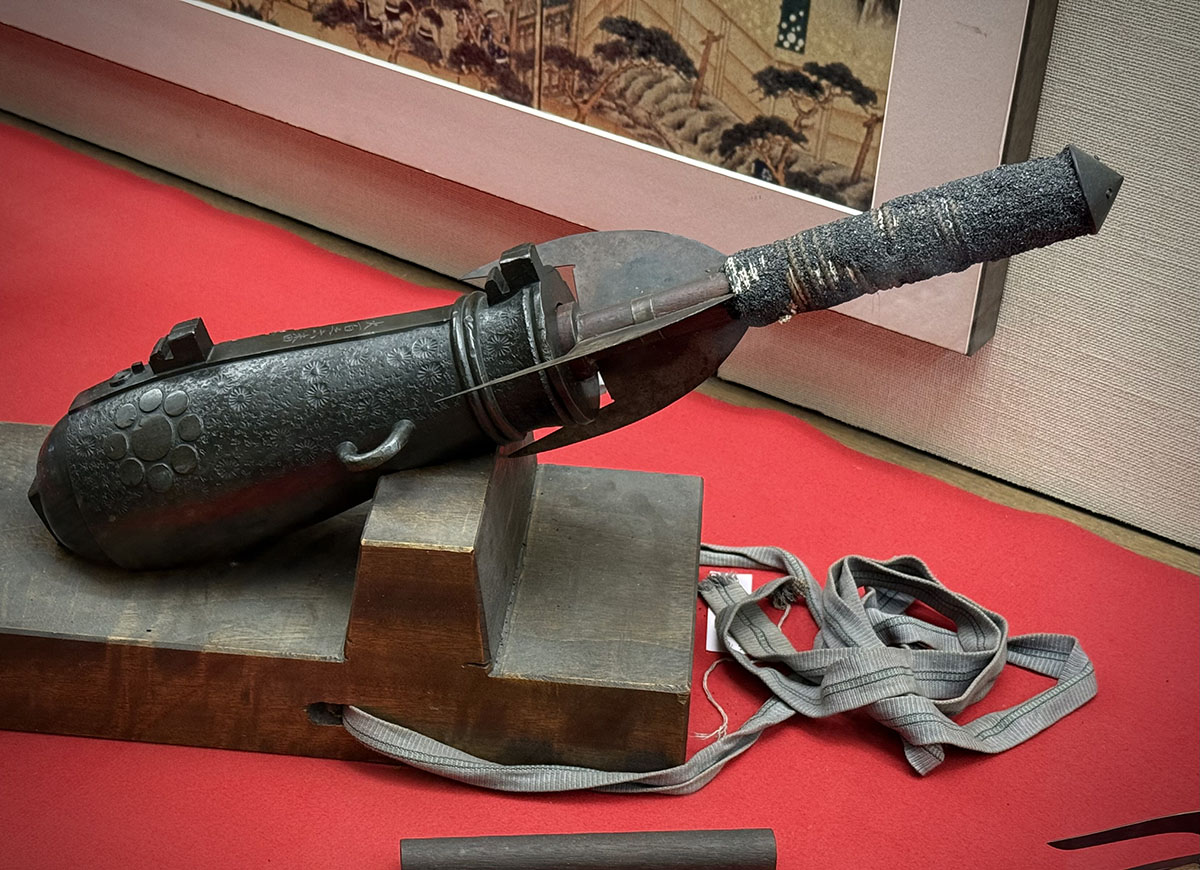
And when one sees the variety of projectiles that could be shot from such a device, it’s clear that some samurai might also have fancied themselves as masters of the other art James Bond is famous for too.
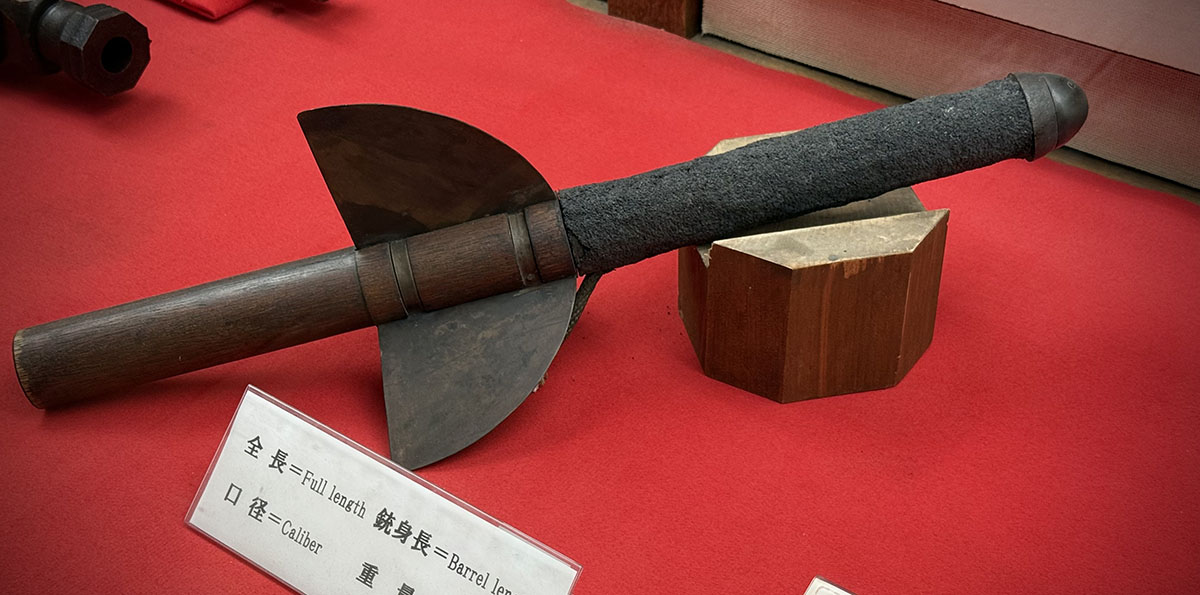
It’s a common misconception that Japan had no knowledge of gun technology until Admiral Perry’s Black Ships arrived in the late 1800s. Crude gunpowder weapons came in from China as early as the 14th century, and the Portuguese brought matchlock guns in the 1500s. The Japanese set to making improvements to the arquebus’s limited speed of shots and short firing range, and embraced this new technology mostly as a way for their non-samurai troops to be more effective against their enemies, since only samurai were allowed to carry those legendarily lethal swords. The reason they had to capitulate to Perry and open their borders to international trade in 1868 is often framed as bringing a knife to a gun fight, but the reason their gun technology languished so far behind the rest of the world is the nearly 300 years of peace and prosperity called the Edo Era. During that time, not only were weapons and warriors not in high demand, Japan closed its borders to all outsiders (and their deadly innovations), so when faced with modern cannons and guns that could kill from much farther away, it was no contest.
•
If you enjoyed this, subscribe! It’s free!
Would you like to be whisked away to Japan, wherever you are?

“The Samurai’s Octopus…is a truly remarkable book, one that surprised and charmed me at every turn of the page. It’s one of the most memorable books I’ve read in a long time. You’re in for a treat.”
—James Ziskin, Anthony, Barry, and Macavity Award-winning author of the Ellie Stone mysteries
•
If you enjoyed this, subscribe to Only In Japan! It’s freeヽ(*^ω^*)ノ
If you enjoyed this, subscribe! It’s free!
•

Jonelle Patrick writes novels set in Japan, produces the monthly e-magazine Japanagram, and blogs at Only In Japan and The Tokyo Guide I Wish I’d Had


What is the date of the woodblock print of the warrior holding the hand cannon? It seems relatively contemporary.
Thank you for the reminder to put captions on those woodblock prints! The one with a samurai holding a hand cannon was made by Kuniyoshi in 1844, so it IS one of the more modern woodblock prints from the Edo Period.