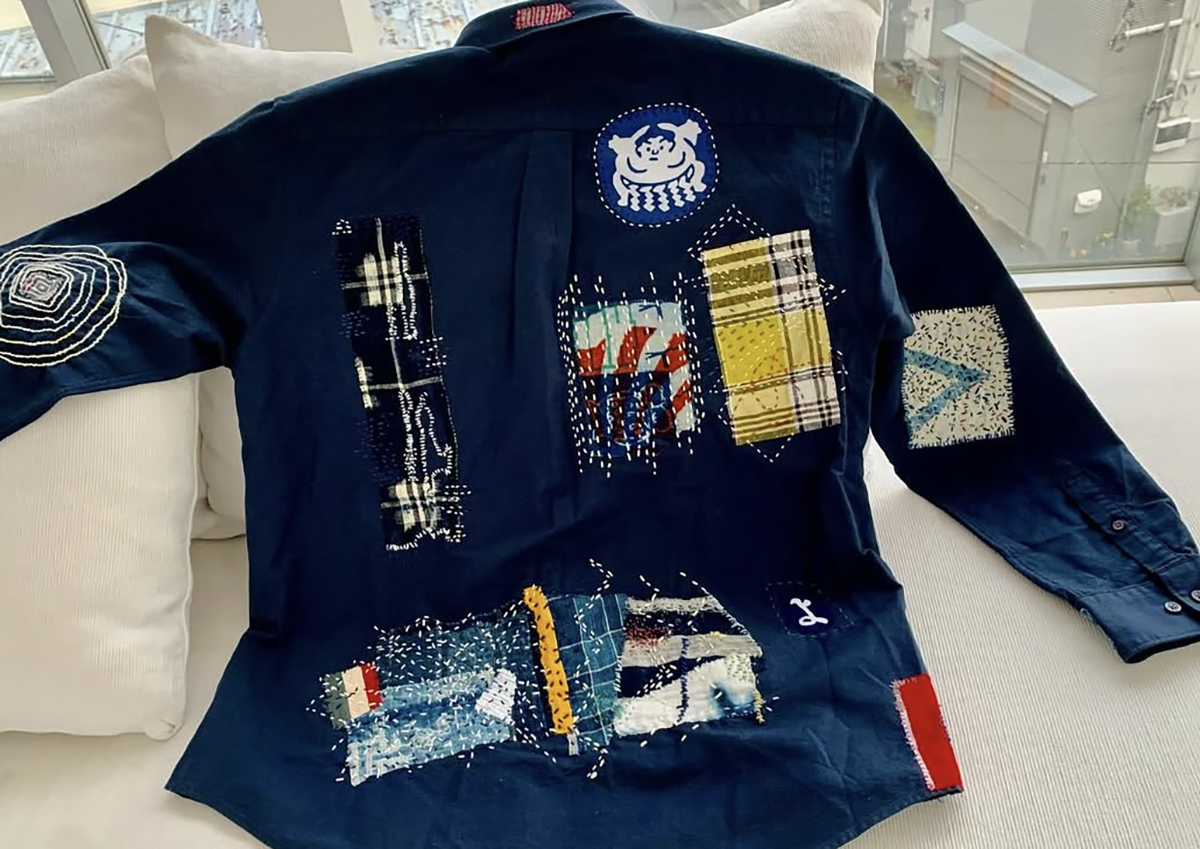
If quilting and embroidery had a child, this would be it. Sashiko isn’t the only mundane chore Japan has made into a high art (check out the everyday objects that inspired the Mingei Movement) but it’s one that anyone who lives anywhere in the world can enjoy…and do themselves!
I first encountered sashiko at the epic Tokyo International Quilt Show in 2016, when this beauty stopped me in my tracks.
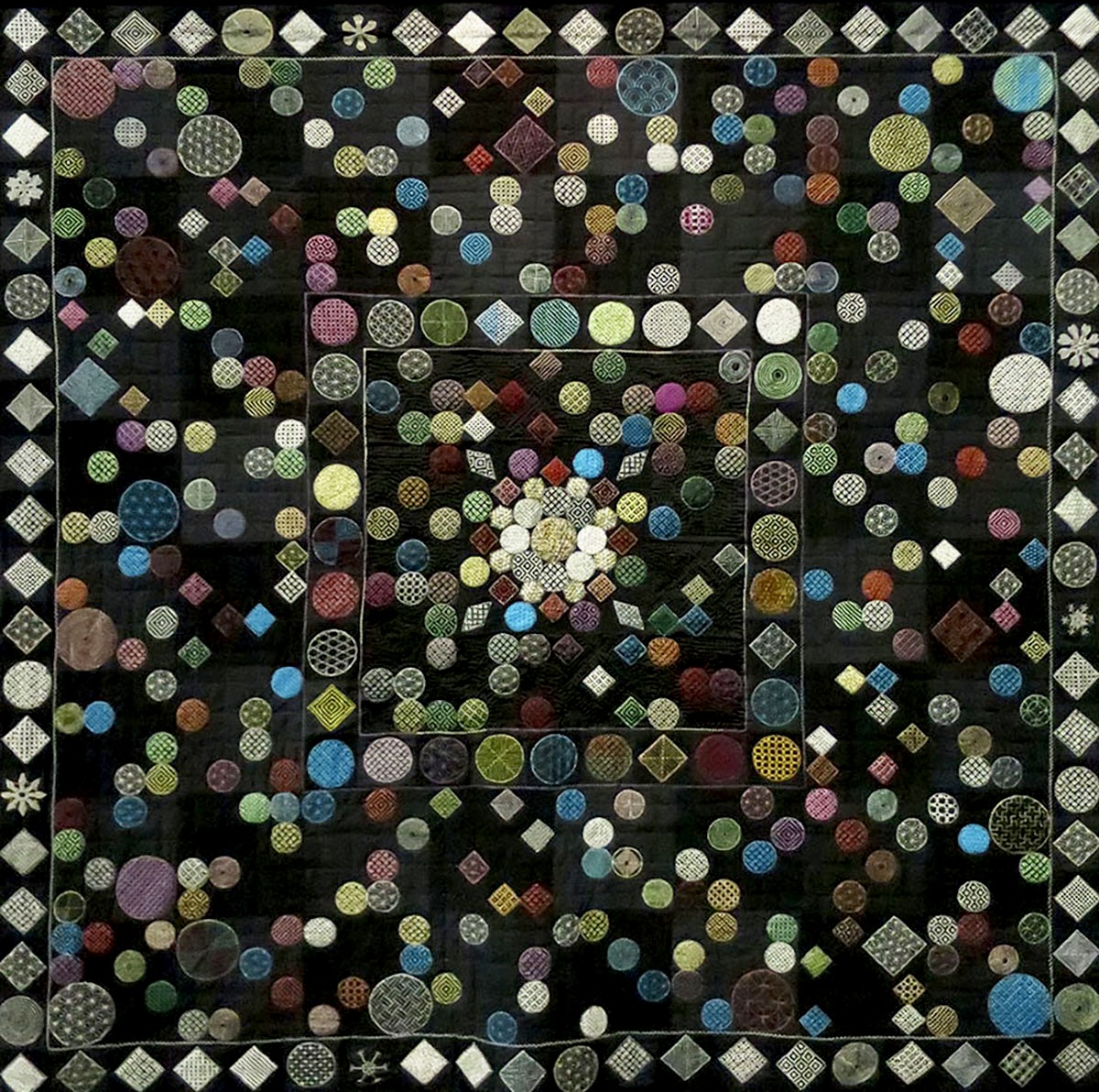
At first I thought it was a pieced quilt like the others on display, but when I stepped closer, I saw that instead of using fabric printed with different patterns, every one of those “pieces” was meticulously covered in sashiko stitching.
Sashiko uses nothing more elaborate than a simple running stitch, but it’s as decorative as embroidery and fastens two or more layers of cloth together as securely as quilting.
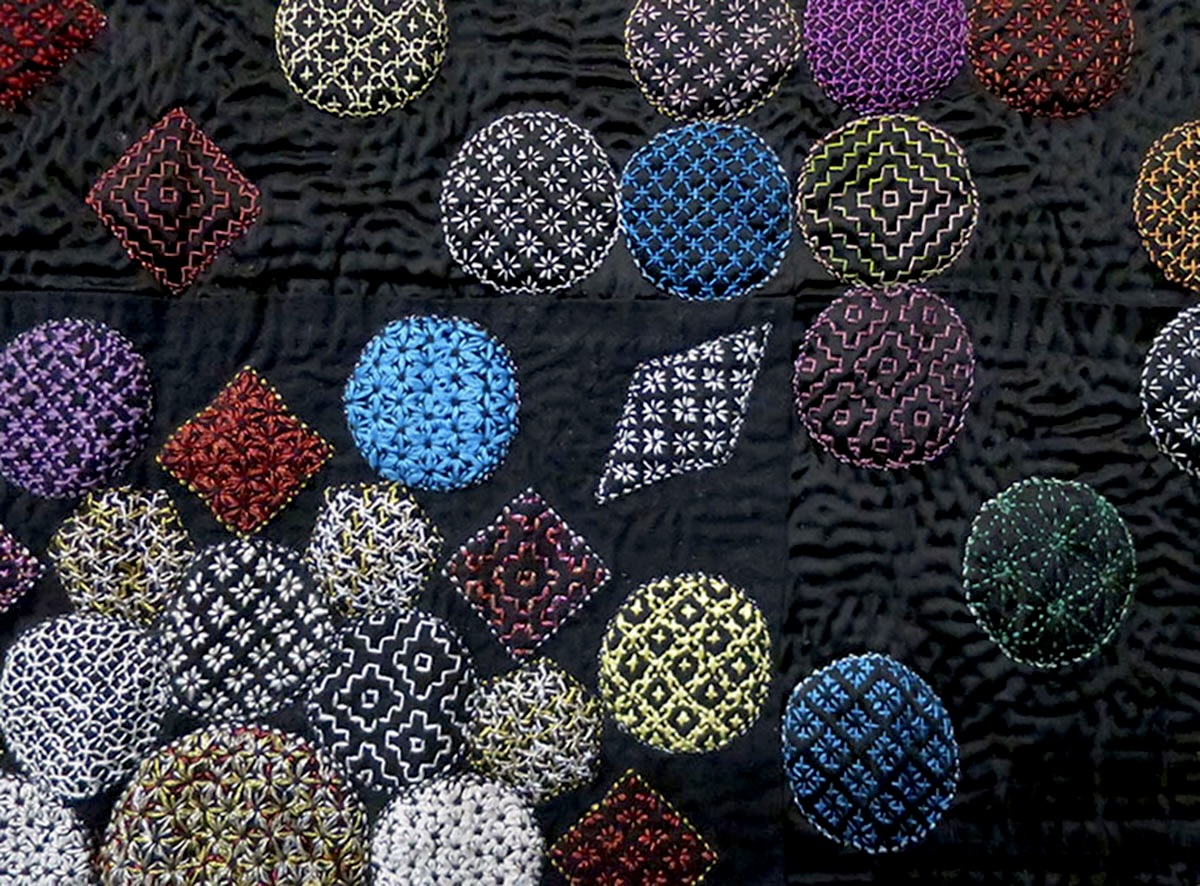
It started as a way for frugal farmers to re-use every scrap of homespun cloth to make quilts and garments last another season. Scraps of whole cloth were layered over worn parts with running stitches, a patching technique that is still prized by textile collectors today, and known as boro.
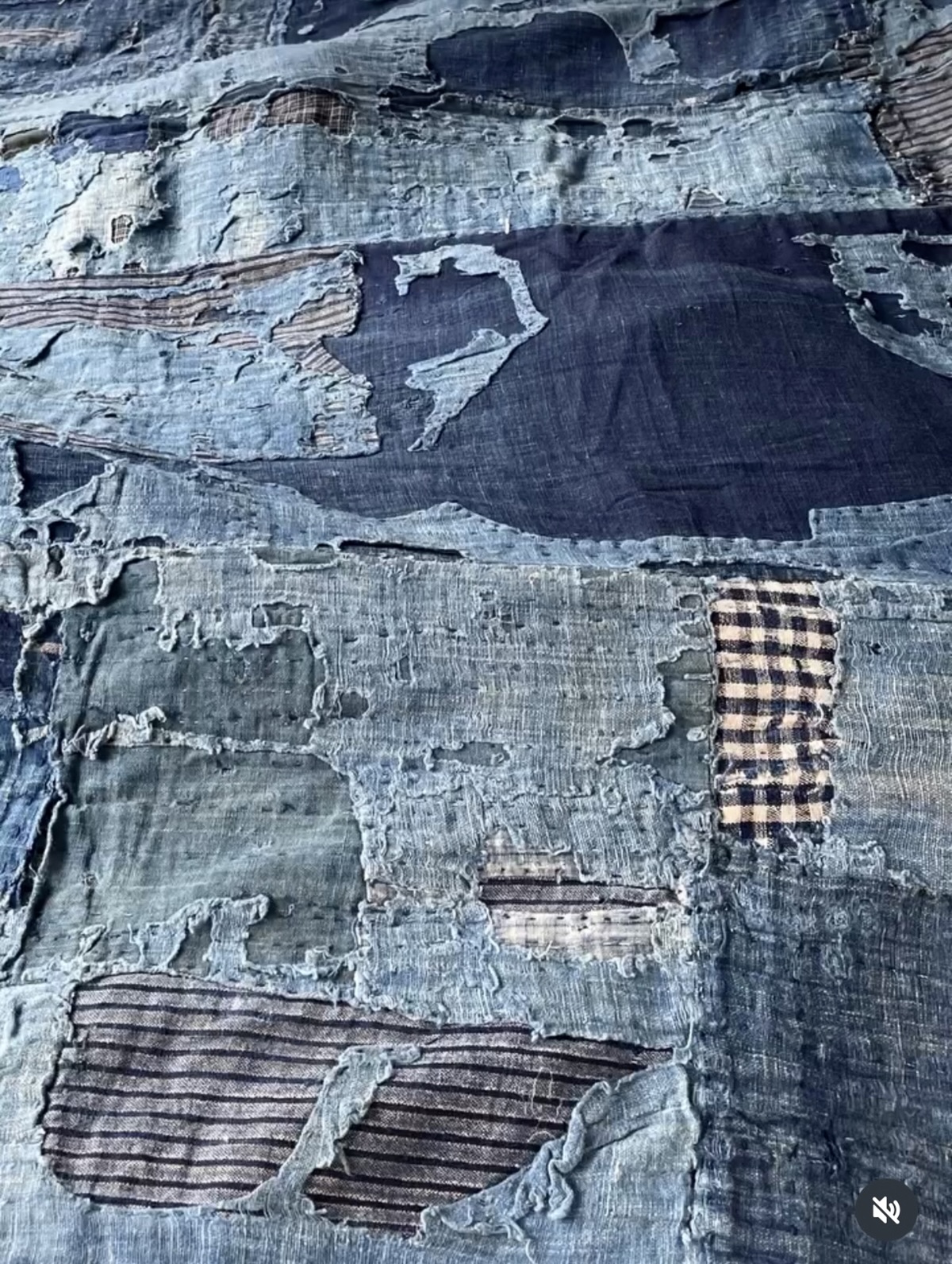
But people started to notice that the more a garment was mended, the more interesting and beautiful it became…
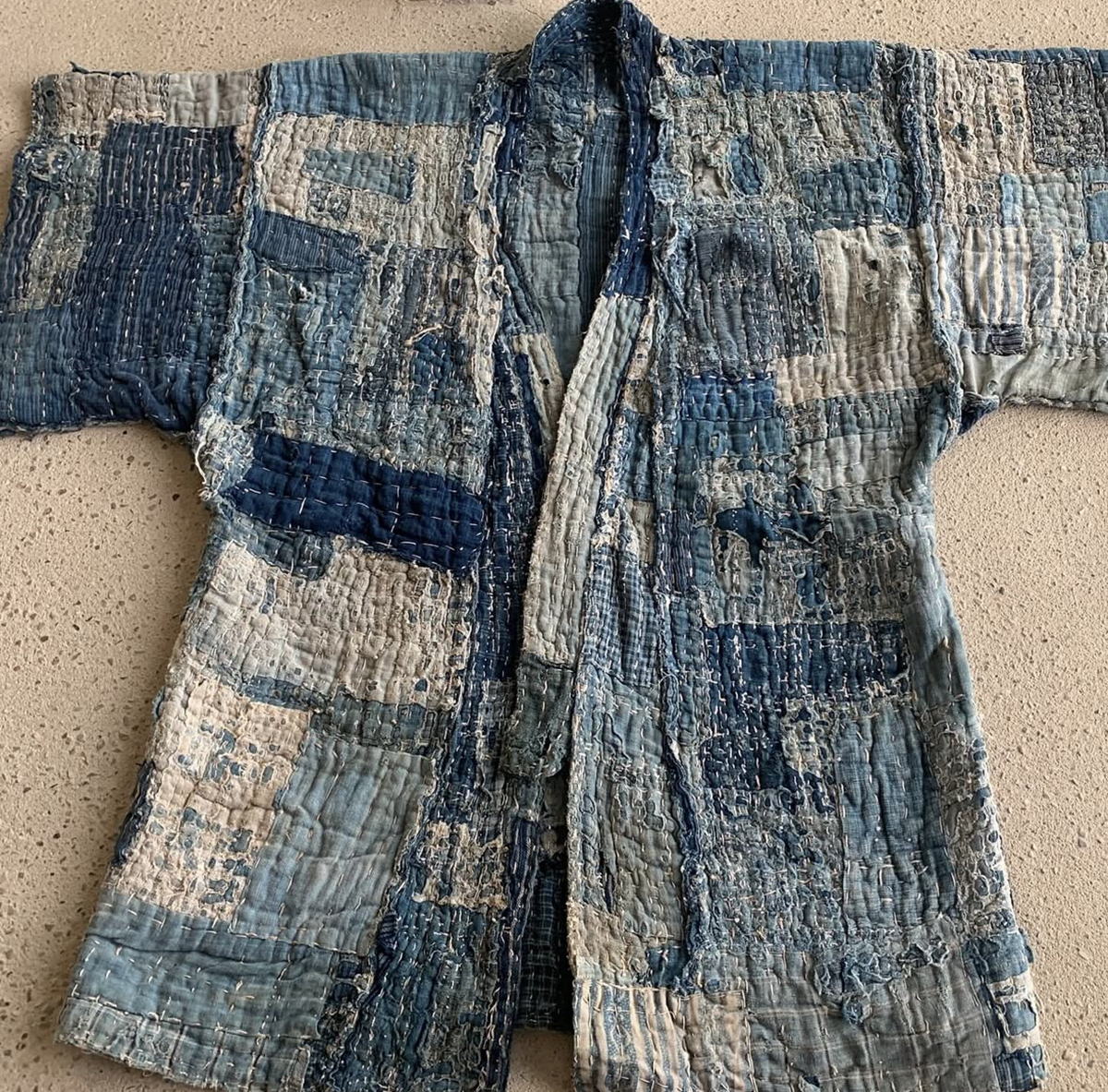
so it wasn’t long before the stitching began to take on a decorative aspect too. Not just to hold the layers together, but as a design element in its own right.
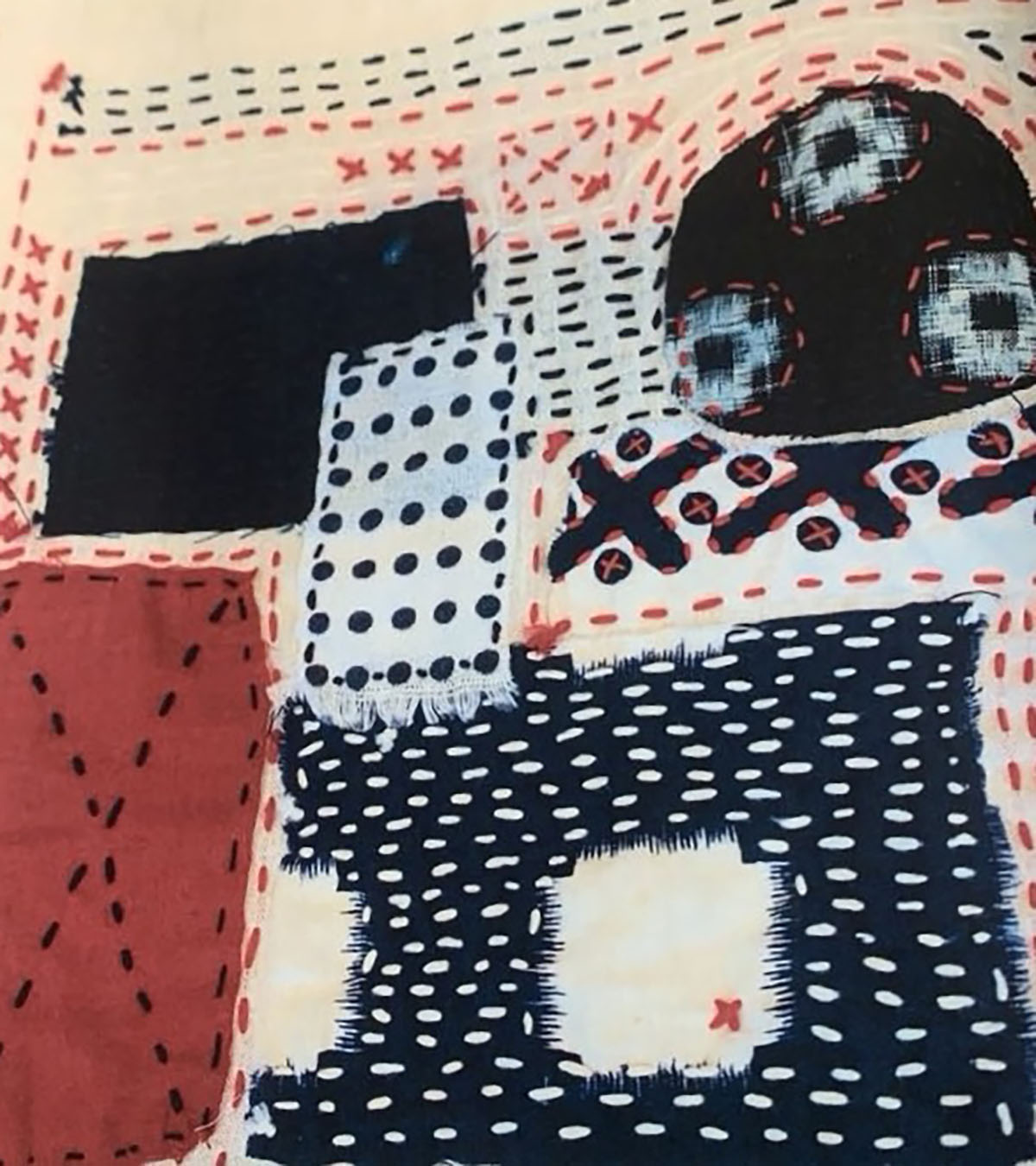
As patching evolved to be more than mending, artists spanning the entire range from traditional…
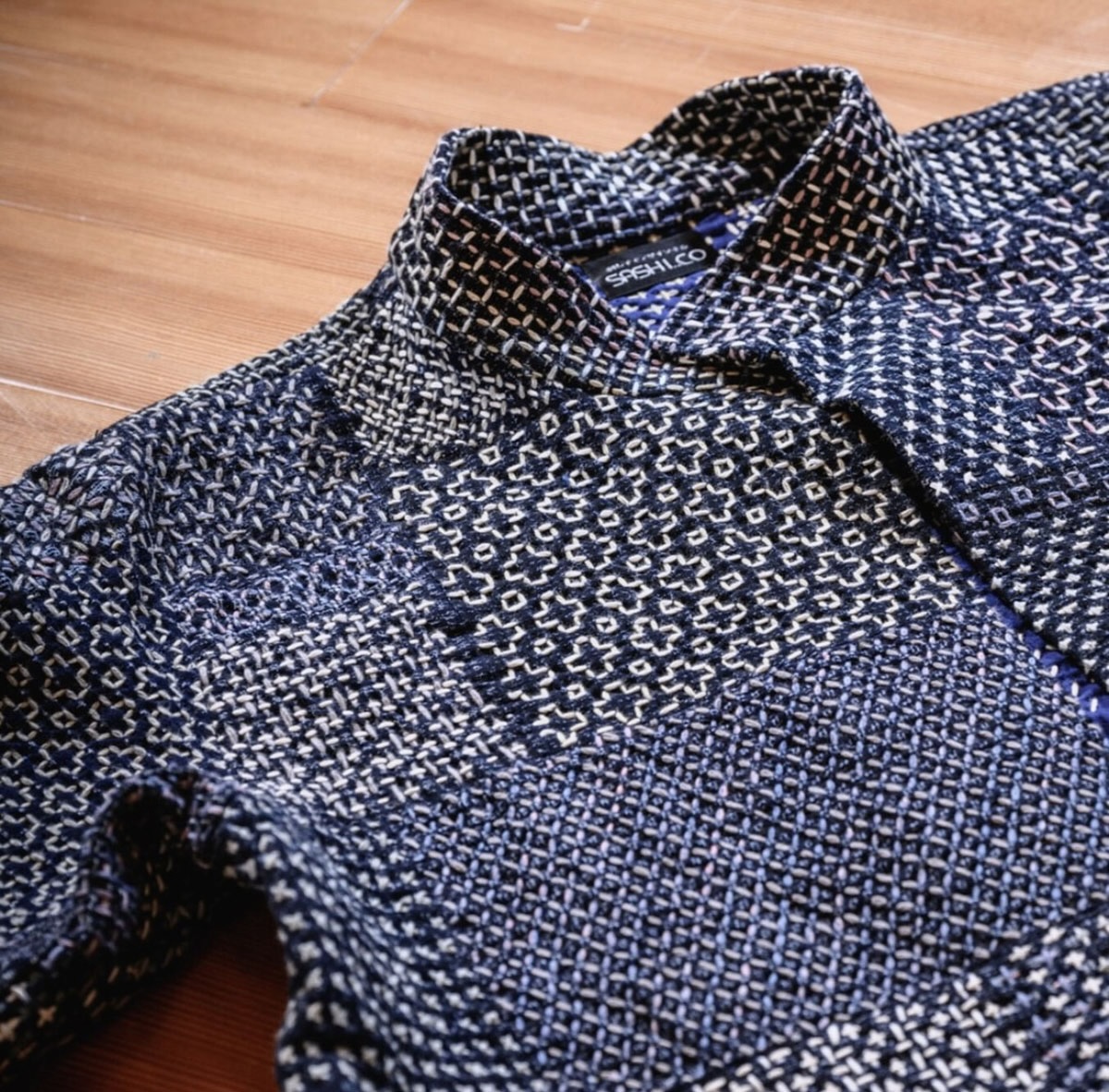
to contemporary began to adopt its techniques, much like modern-day artists have embraced quilting and embroidery.
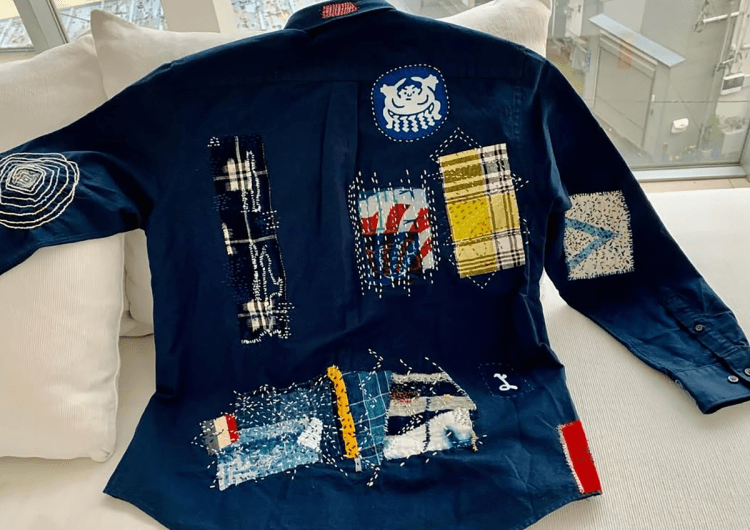
Needlewomen have devised ever-more-elaborate patterns, all based on a simple running stitch.
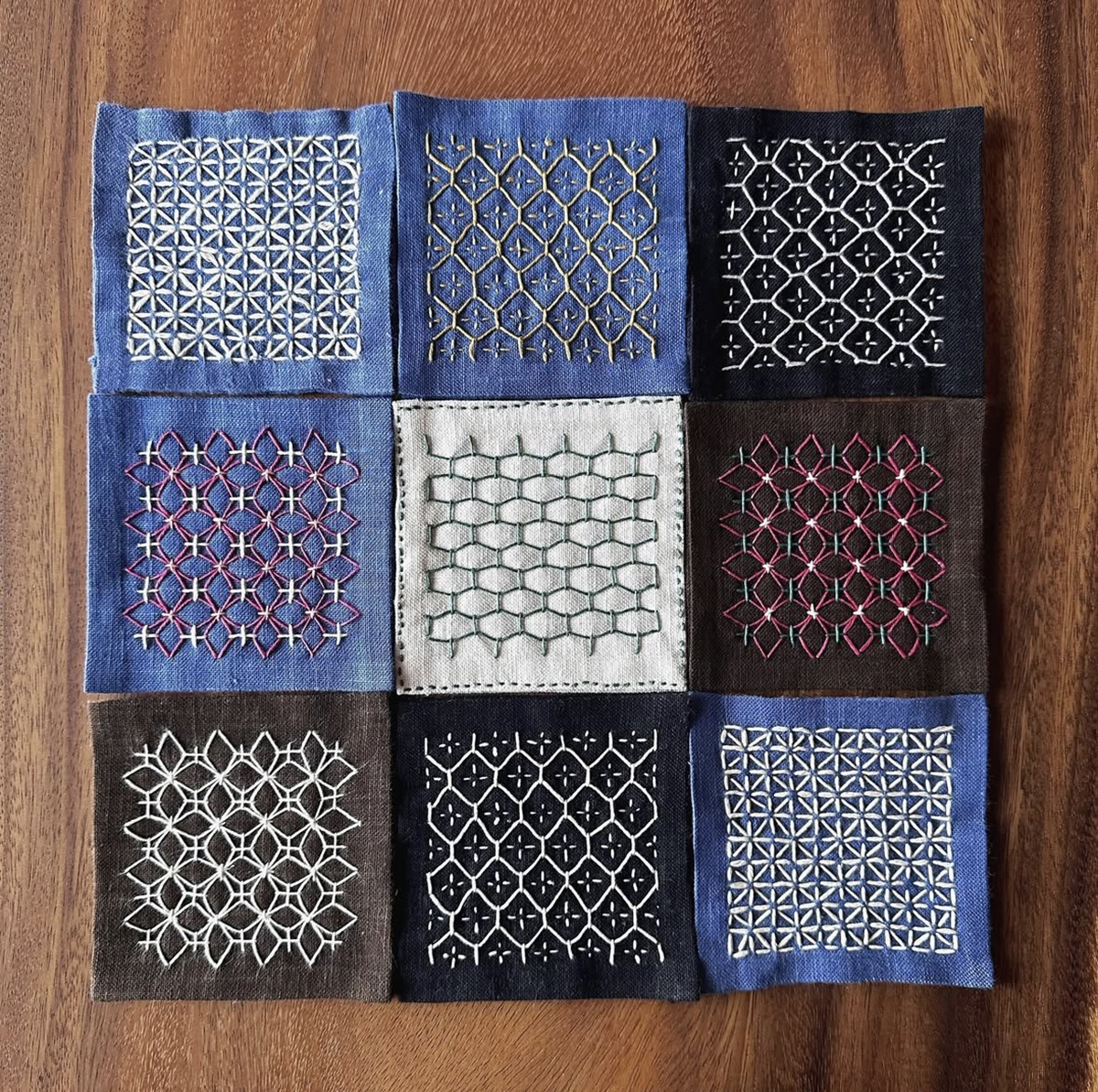
These days, sashiko artists use this most basic of stitches to create intricate patterns…
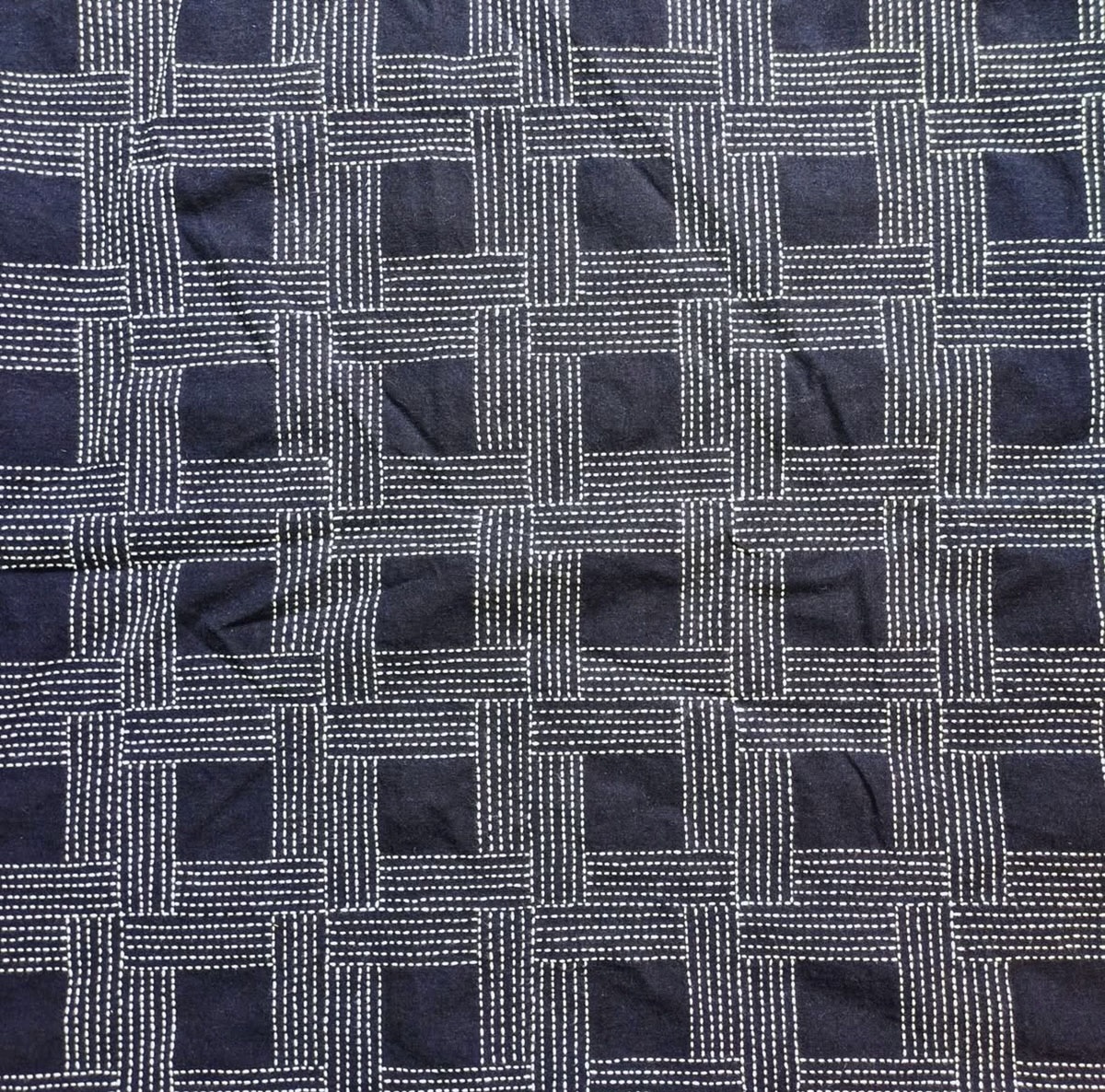
change the color of thread to add interest…
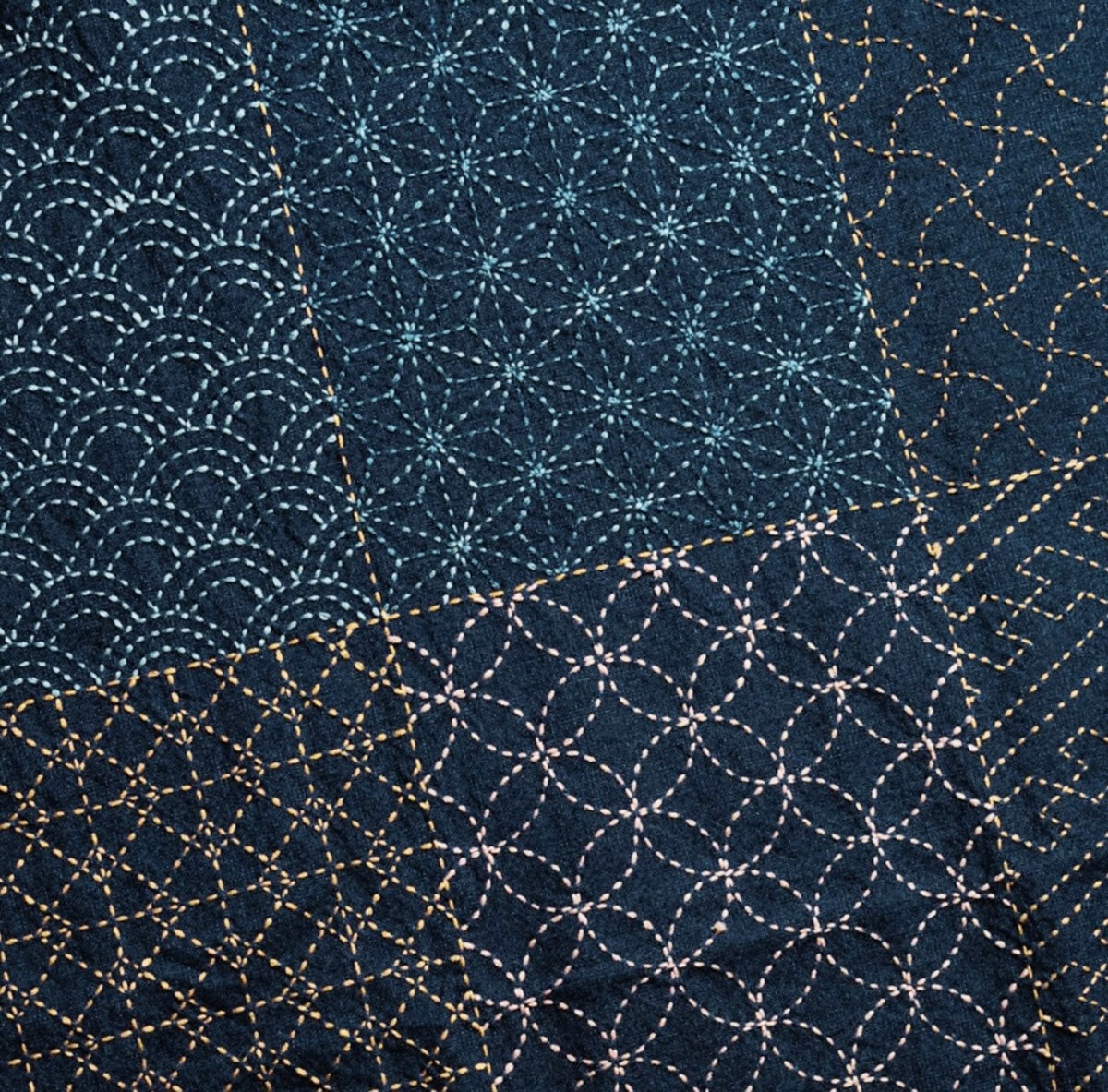
or depth…
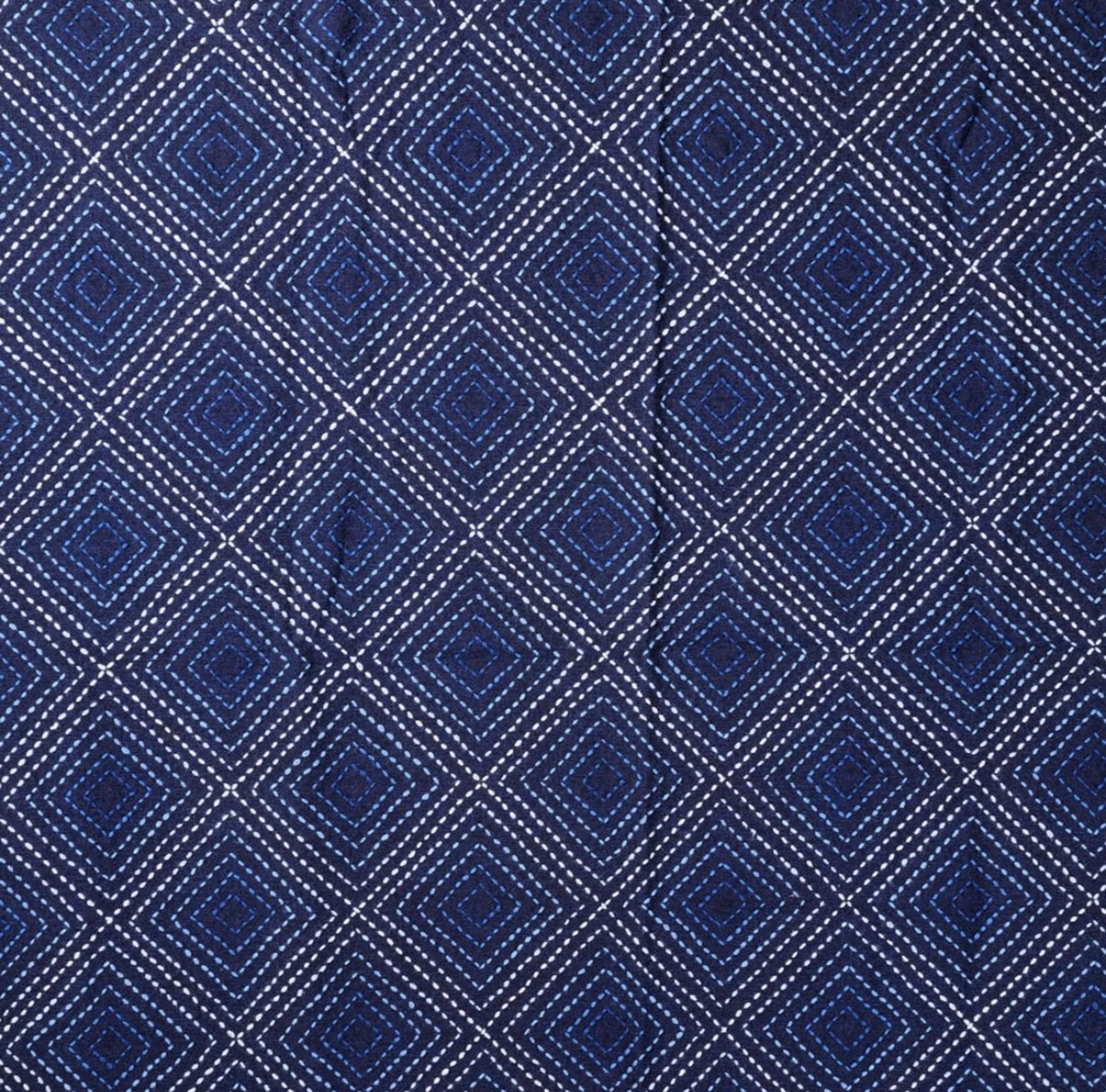
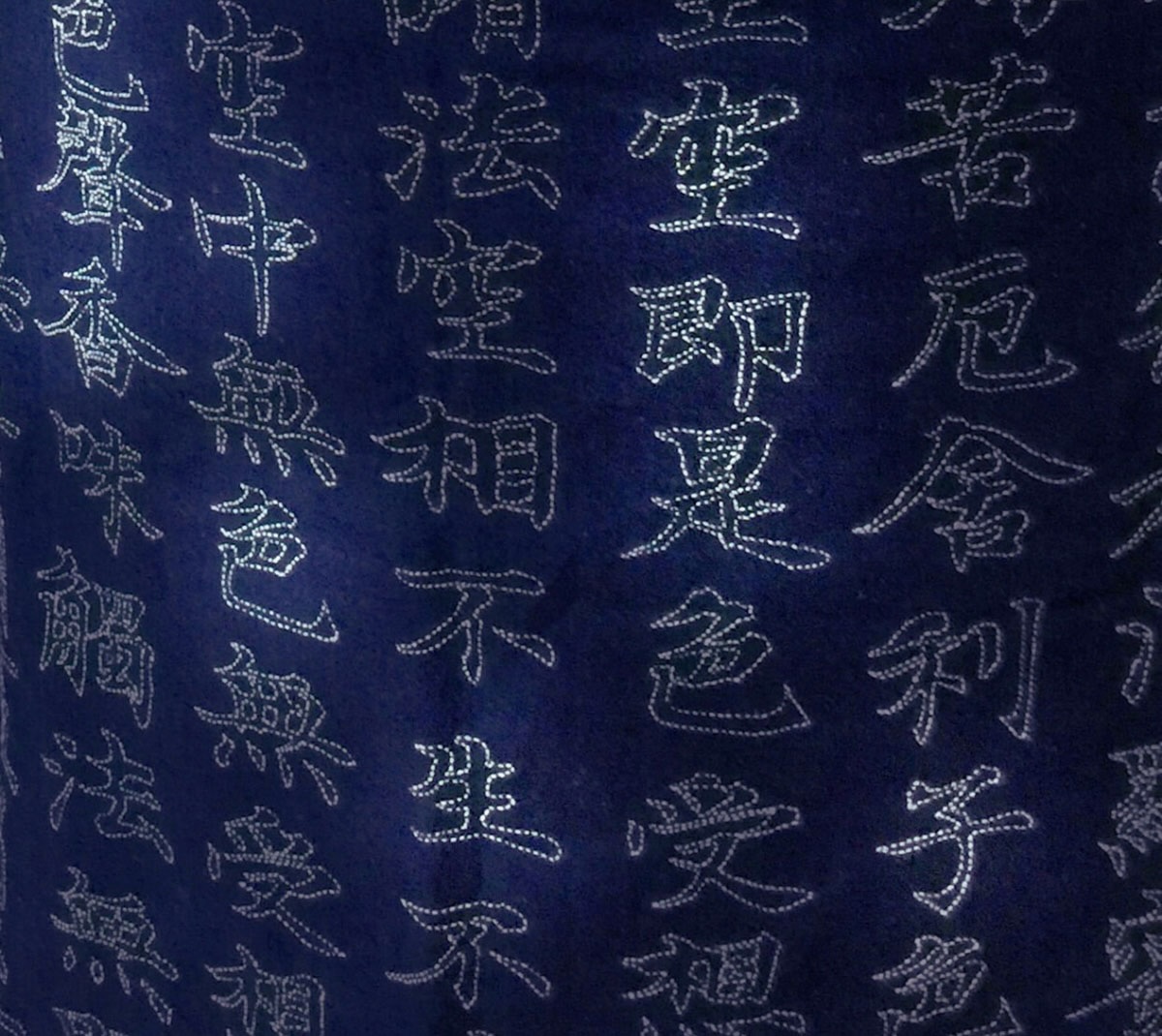
The running stitch can be used to outline complex characters…
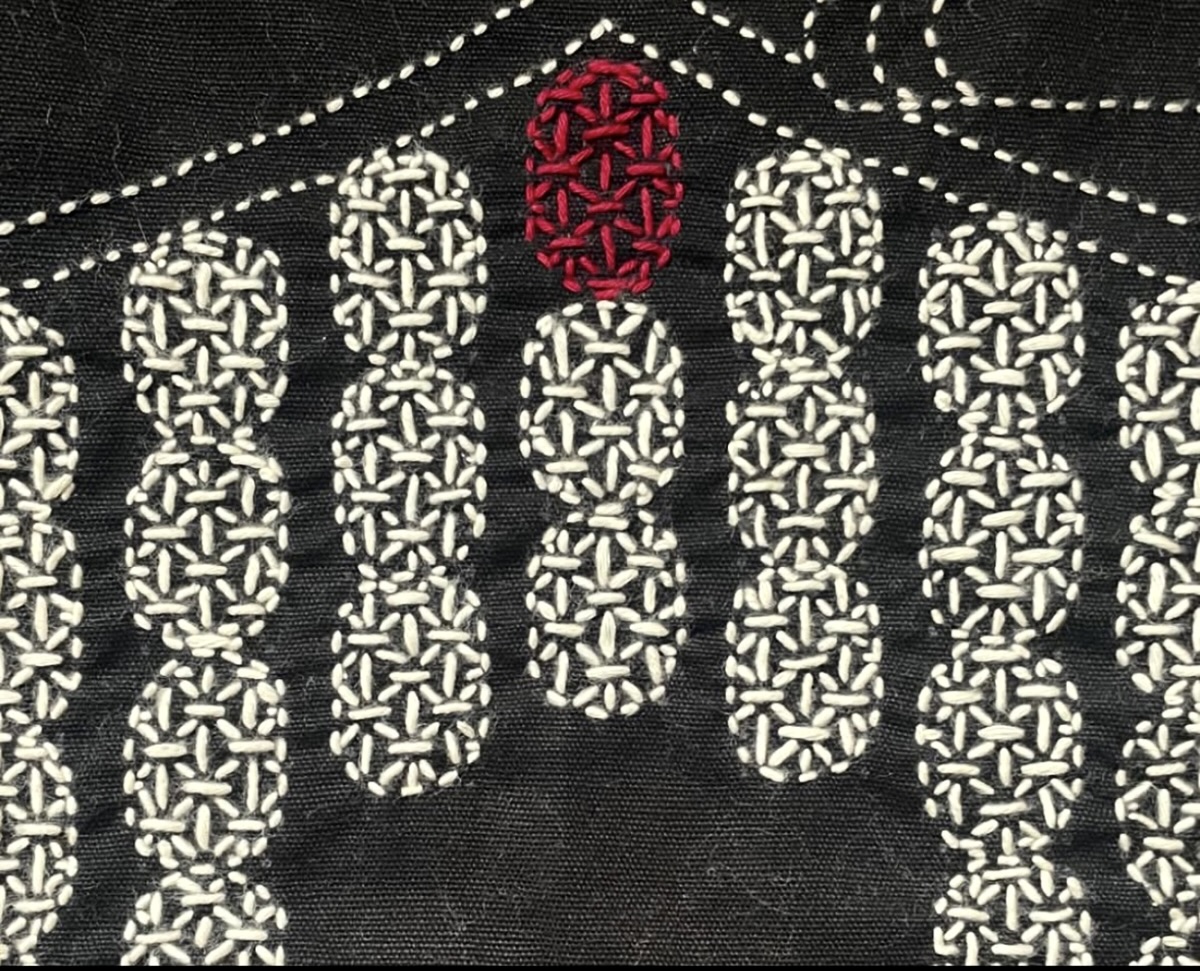
depict lanterns hanging at a shrine…
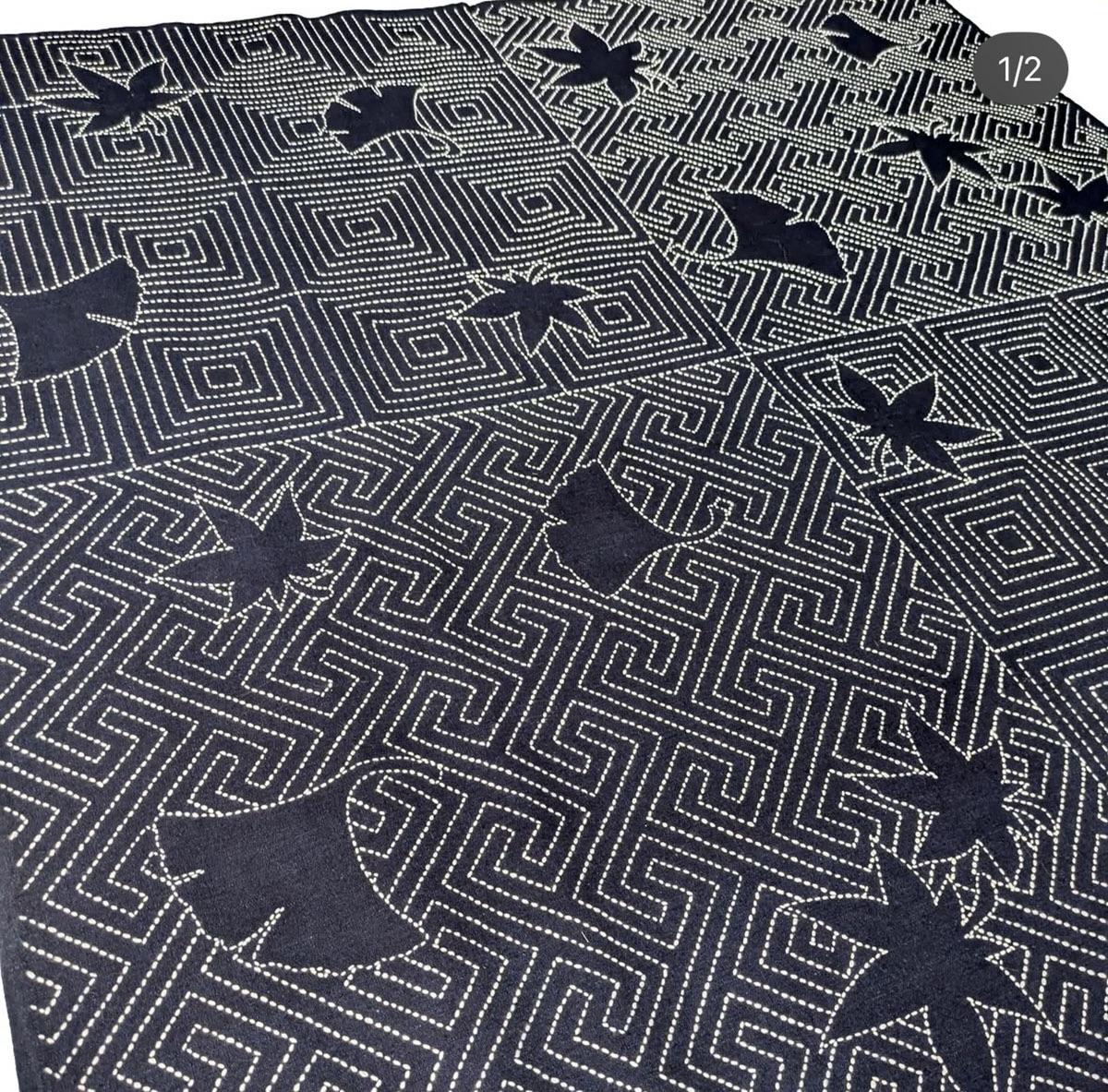
or make graphic use of negative space, like this utterly want-worthy piece.
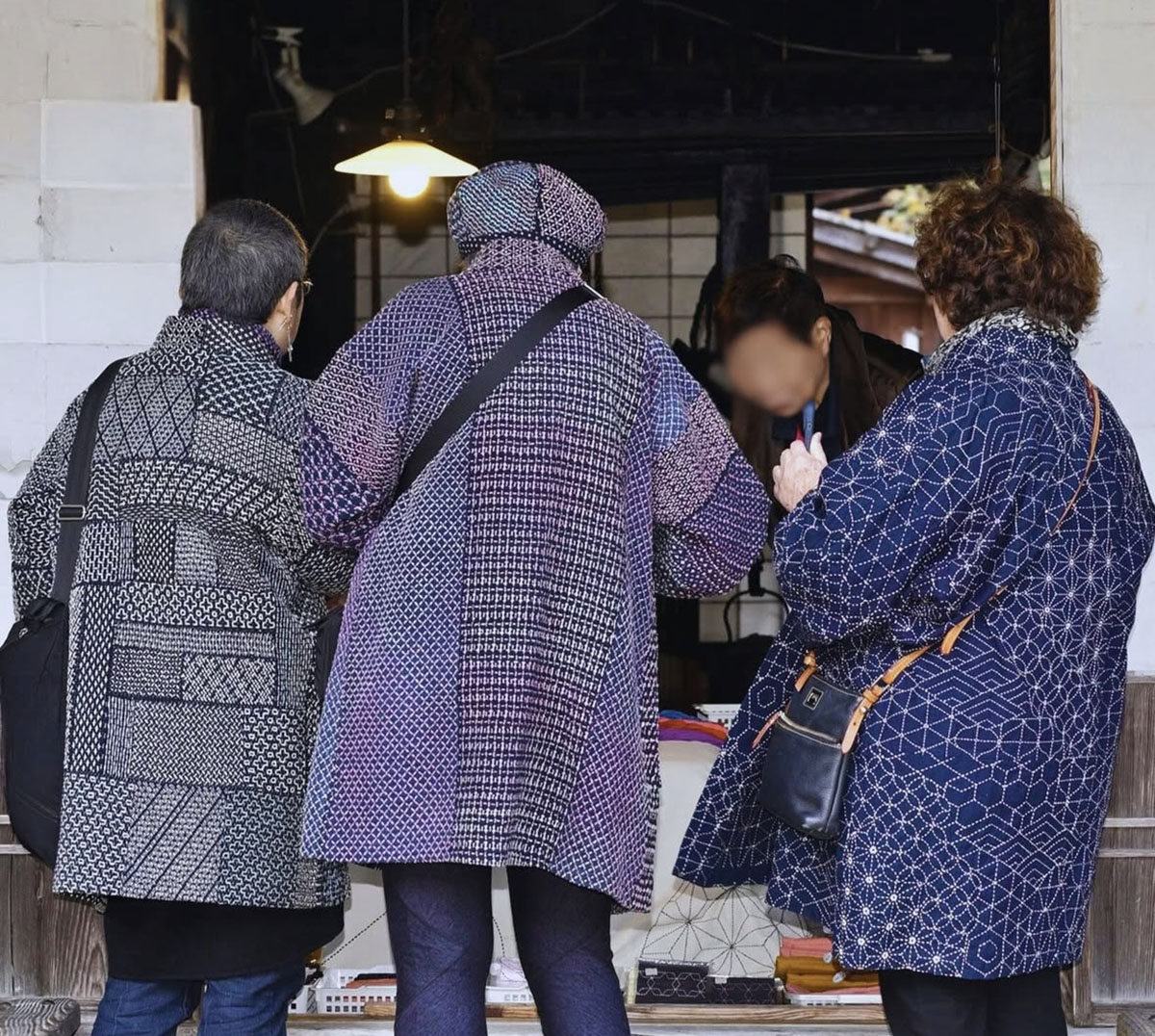
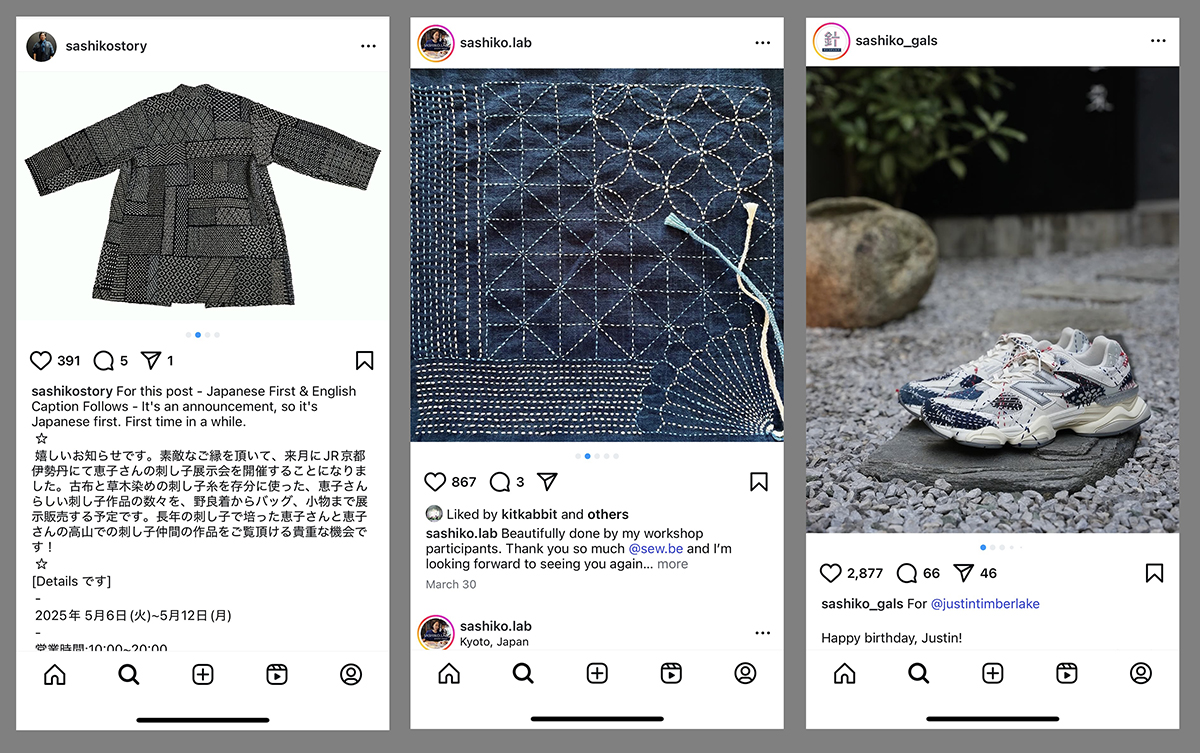
I’m sure you won’t be surprised that it can turn ordinary clothing into high art, like these stunning coats worn by attendees at one of @sashikostory‘s workshops…
or this incredible blue-on-white piece by Miyoko Tokunaga.
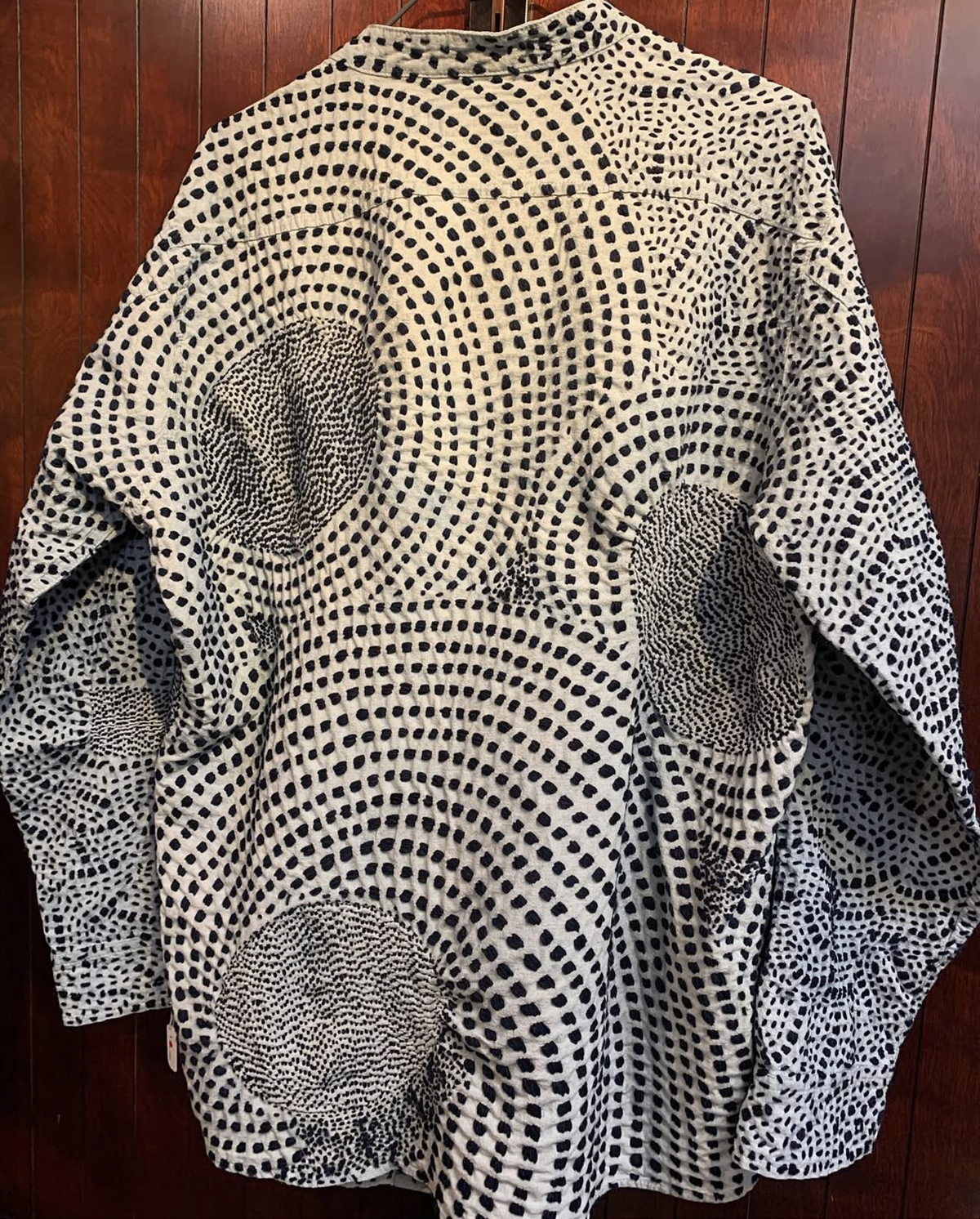
One of the things I especially love about sashiko is that it raises upcycling to an art. Even ratty sneaks become beyond cool after being stitched by @sashiko_gals.
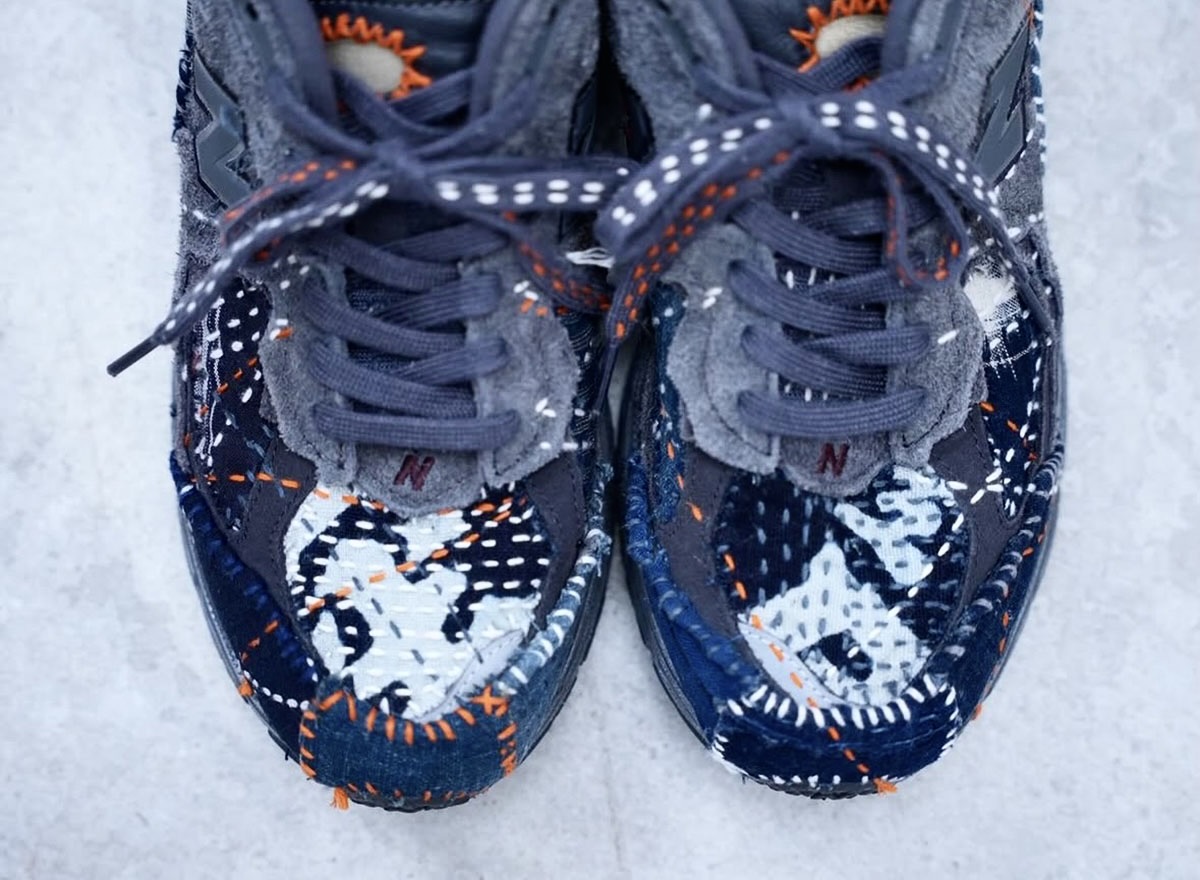
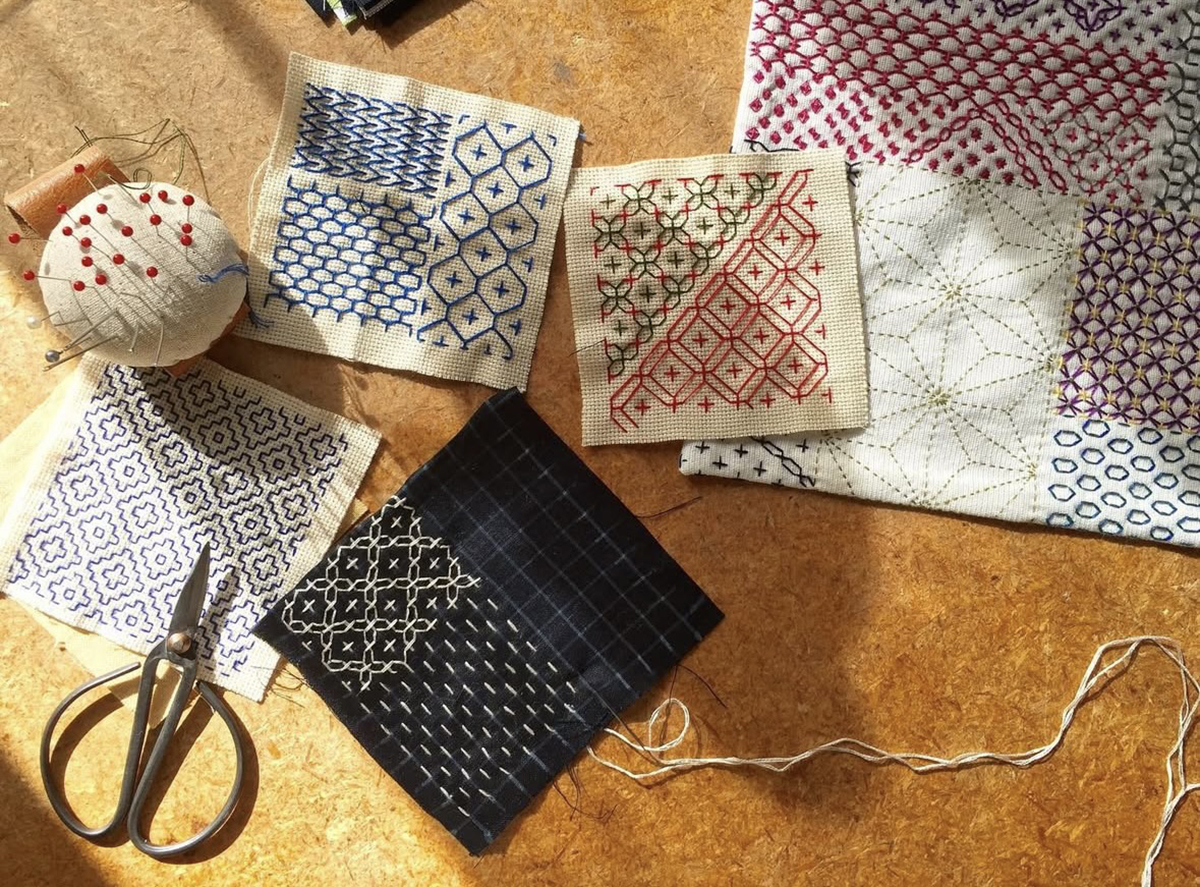
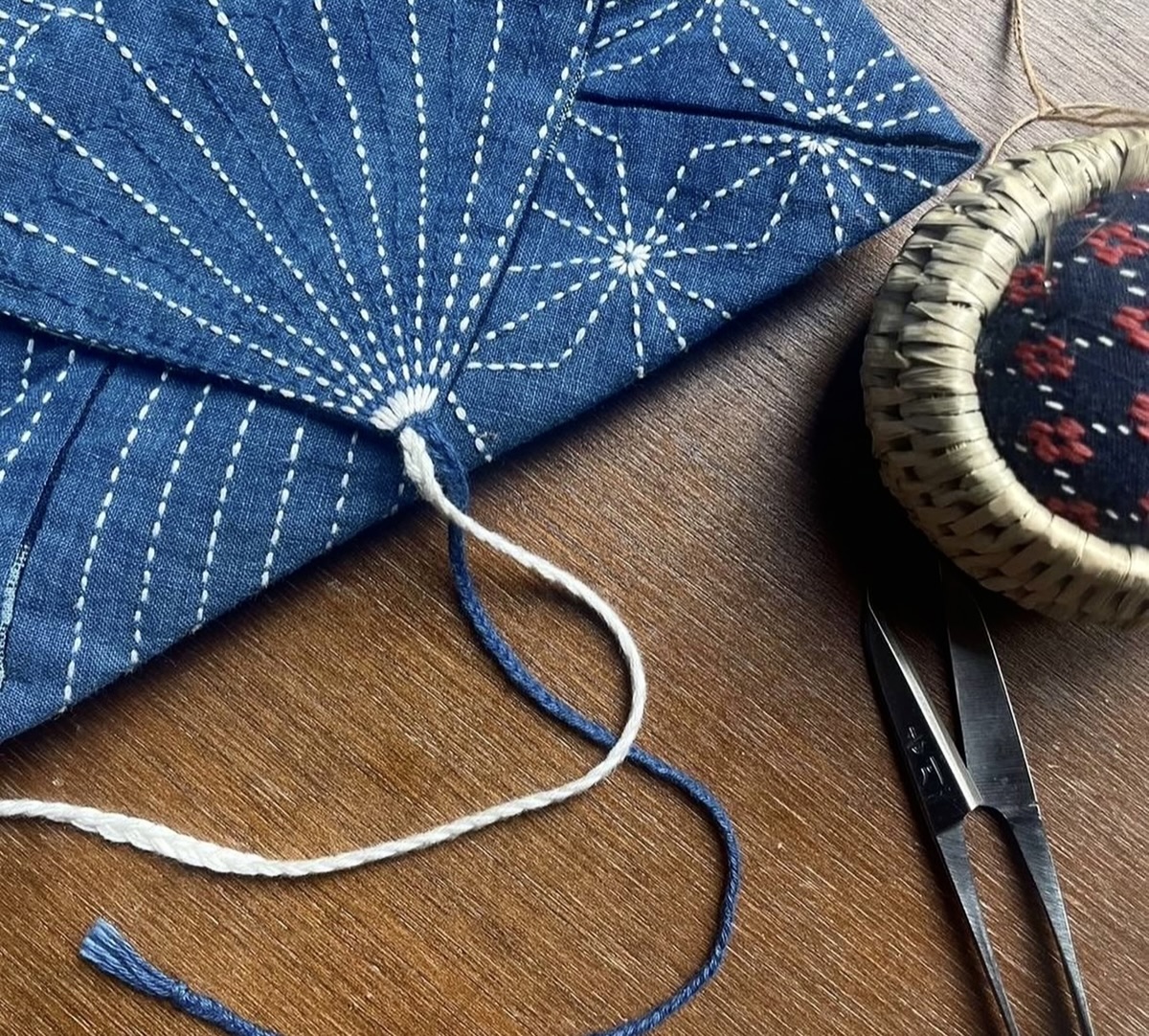
Sashiko was originally done with thick white or pale blue thread on indigo-dyed hemp or cotton, but modern sashiko artists freely use every color of the rainbow, combining colors to highlight different parts of the pattern.
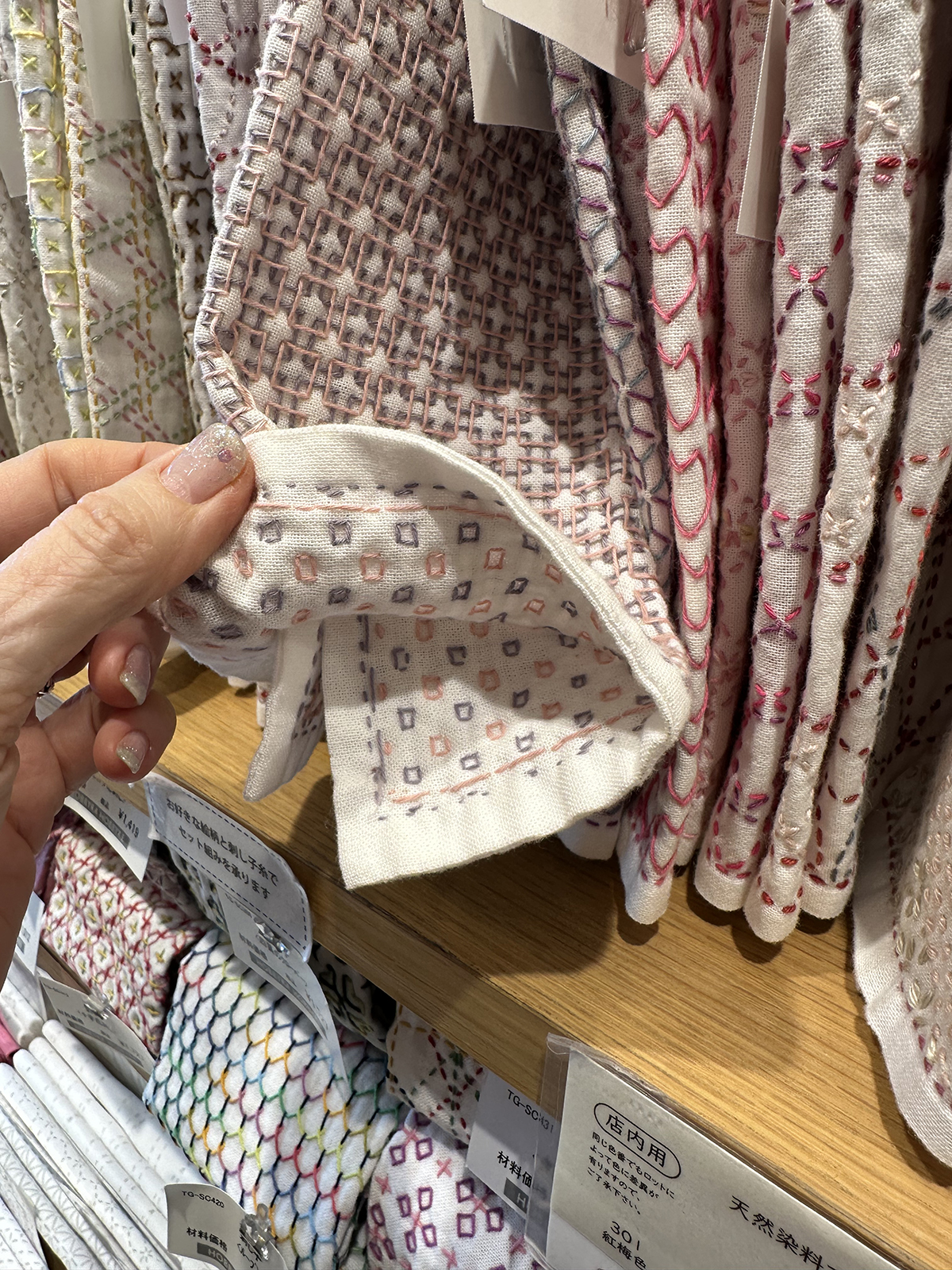
And guess what amazing thing I discovered when I made a pilgrimage to the Hobbyra Hobbyre sashiko supply shop in Ginza? If the stitching is done in the proper order, it creates a different pattern on the back!
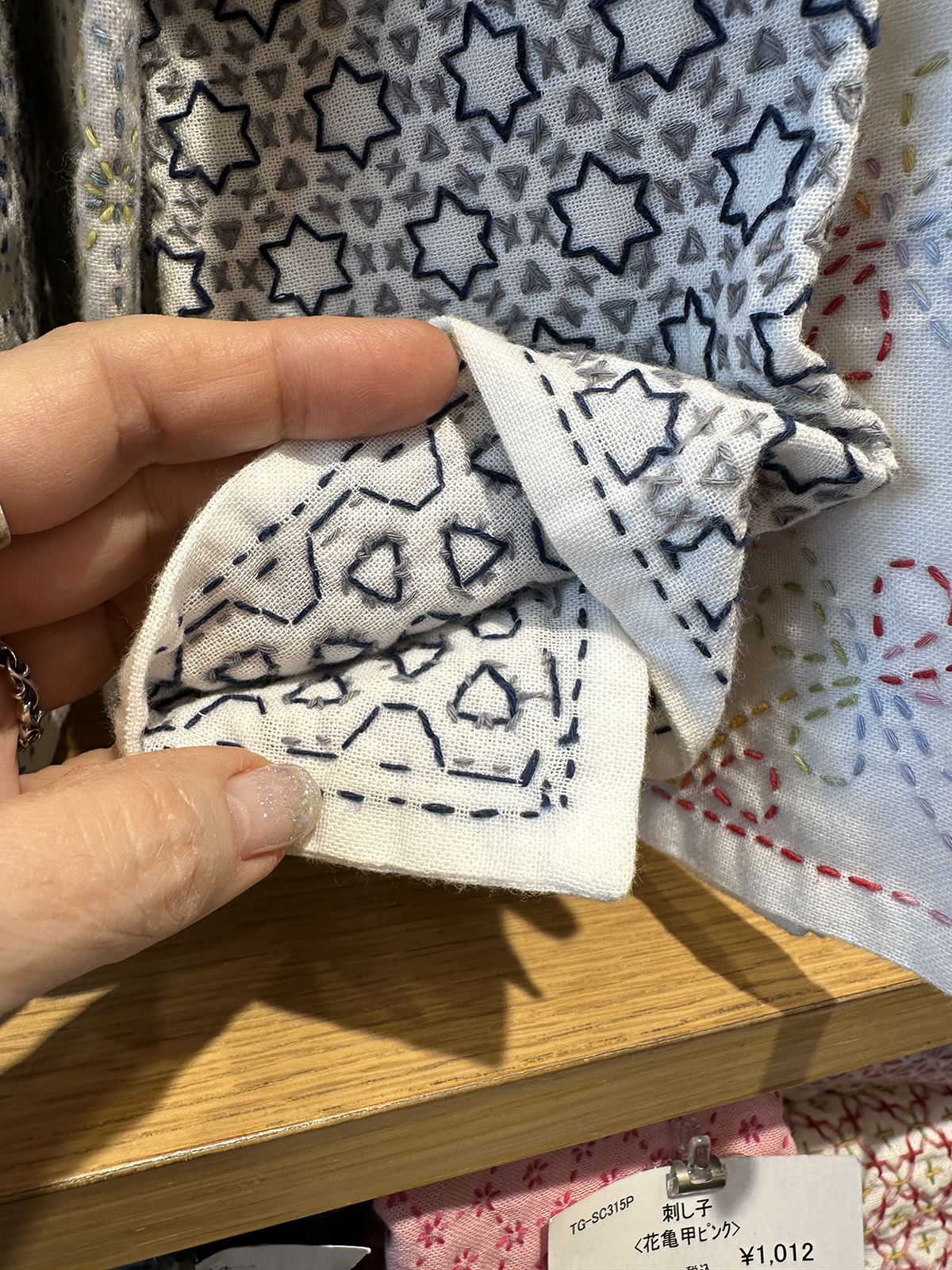
The thing that amazed me is that the front and back patterns were so different, and both were beautiful.
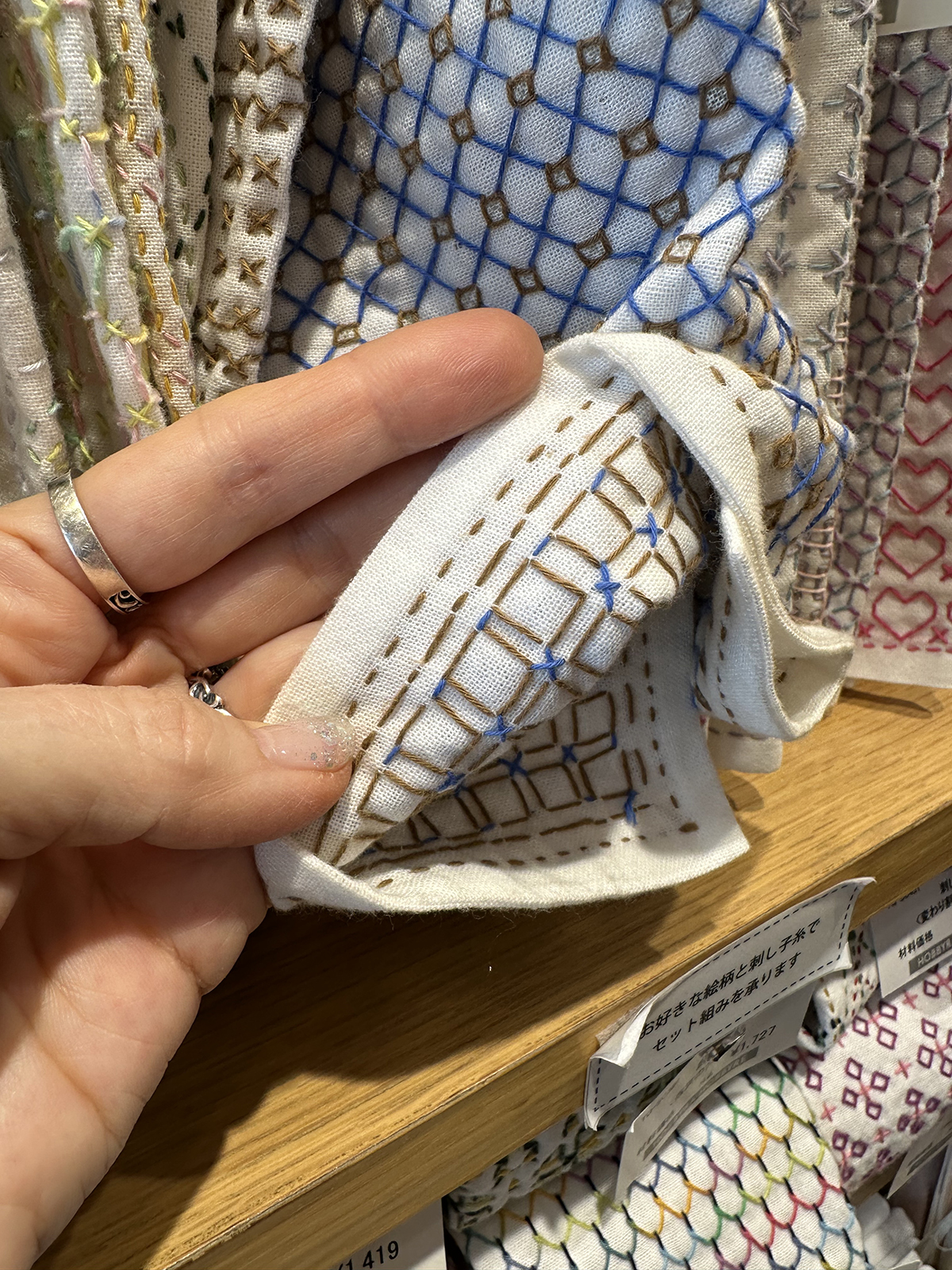
It’s hard to decide which is the back and which is the front on this one.
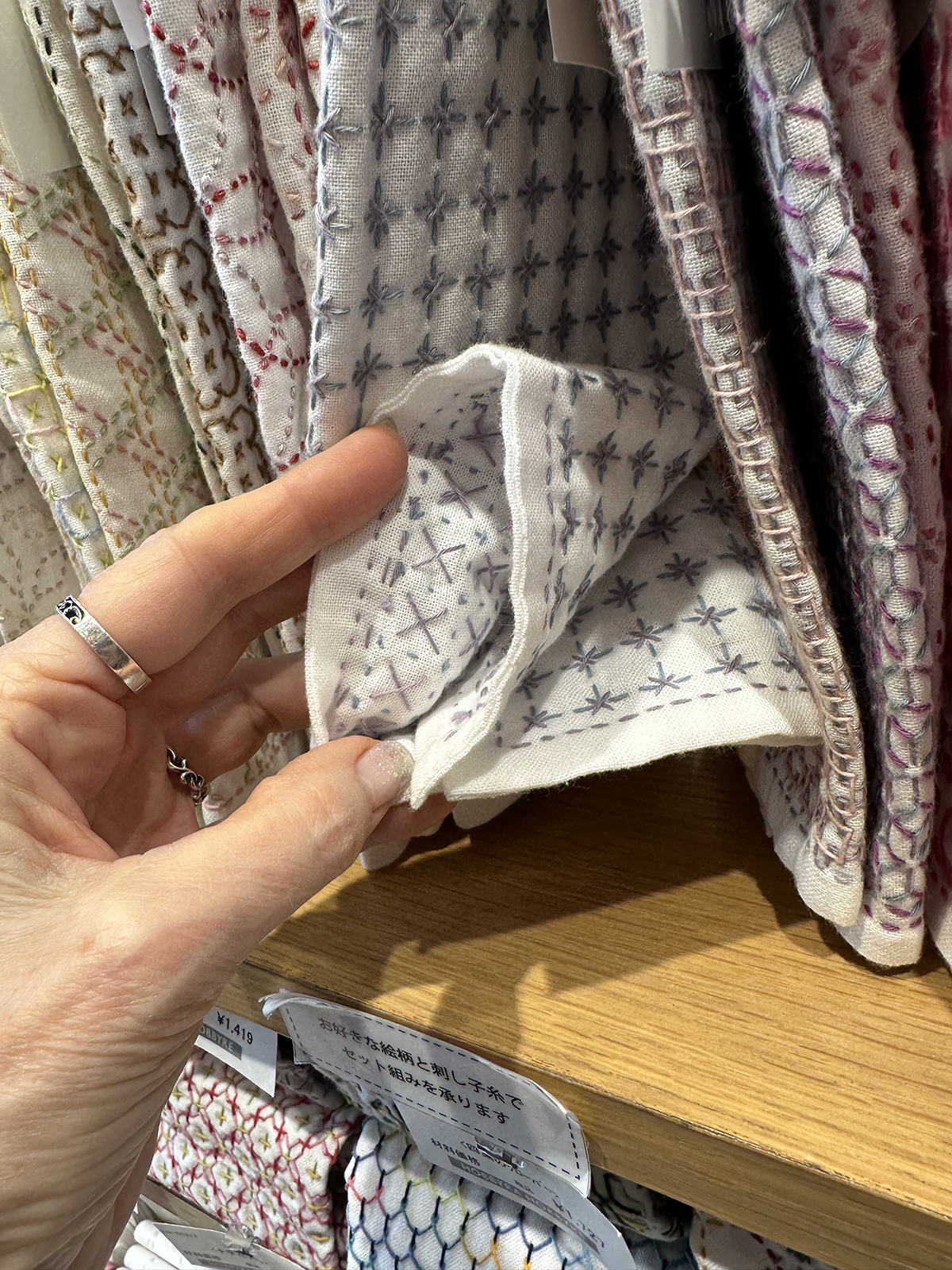
Would you have guessed that the back of this intricate pattern would be so simple, yet so compelling?
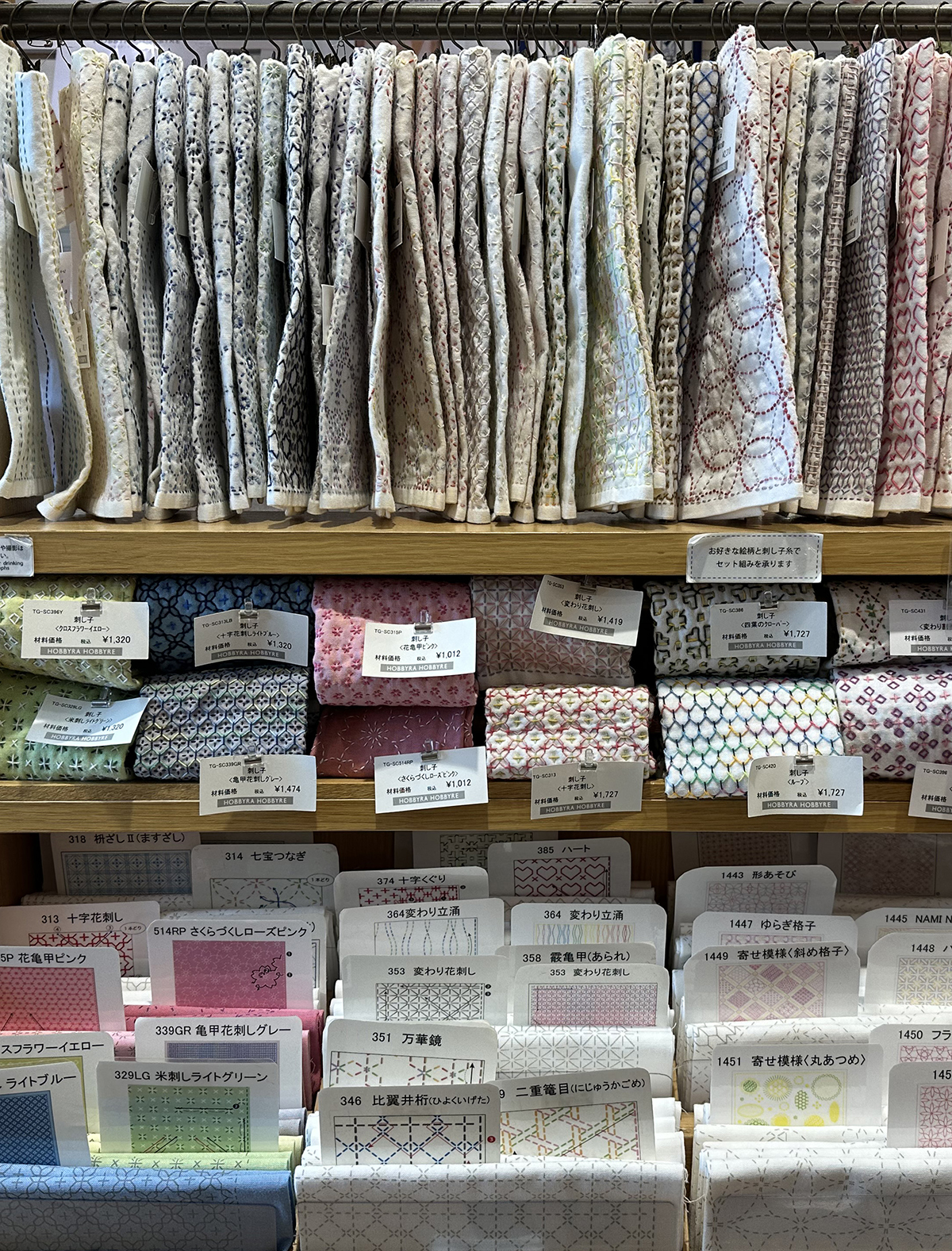
Hobbyra Hobbire is my favorite place to shop for sashiko supplies, because they not only carry every color of thread and cloth printed with guides so you can learn and practice new stitches, they have a dizzying array of actual hand-stitched samples you can browse before you invest hours of your life sashiko-ing everything you own.
Inspired and want to try it yourself? There aren’t many books on how to do sashiko written in English, so the fastest way to get up to speed is to take a workshop with a master stitcher. If you’re not coming to Japan anytime soon, several of the sashiko artists who post on Instagram offer online workshops too.
You can also order kits that provide the right materials and a pattern printed on the cloth, to get you started.
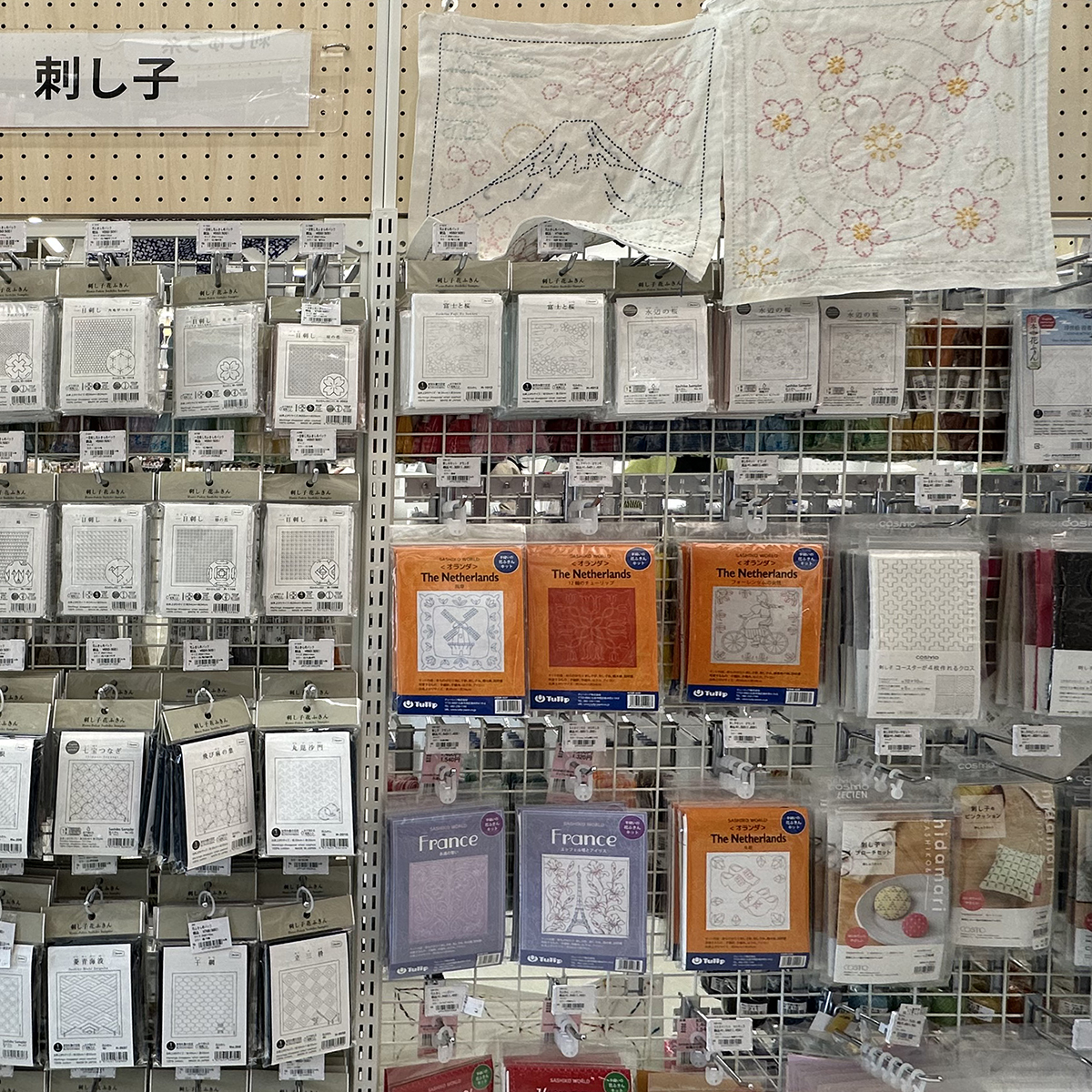
But if you just can’t wait, sashiko is best done on hemp or linen fabrics with a not-too-intense thread count, and in a pinch, you can use regular high-quality embroidery floss (like DMC). It’s much easier to get a good result right out of the gate if you buy long-staple sashiko thread and the special long needles the artists use, though—you’ll appreciate being able to thread on more stitches at a time and spend less time unsnarling.
For loads more inspiration, follow sashiko artists who post on Instagram, like @sashikostory, @sashiko_lab and @sashiko_gals
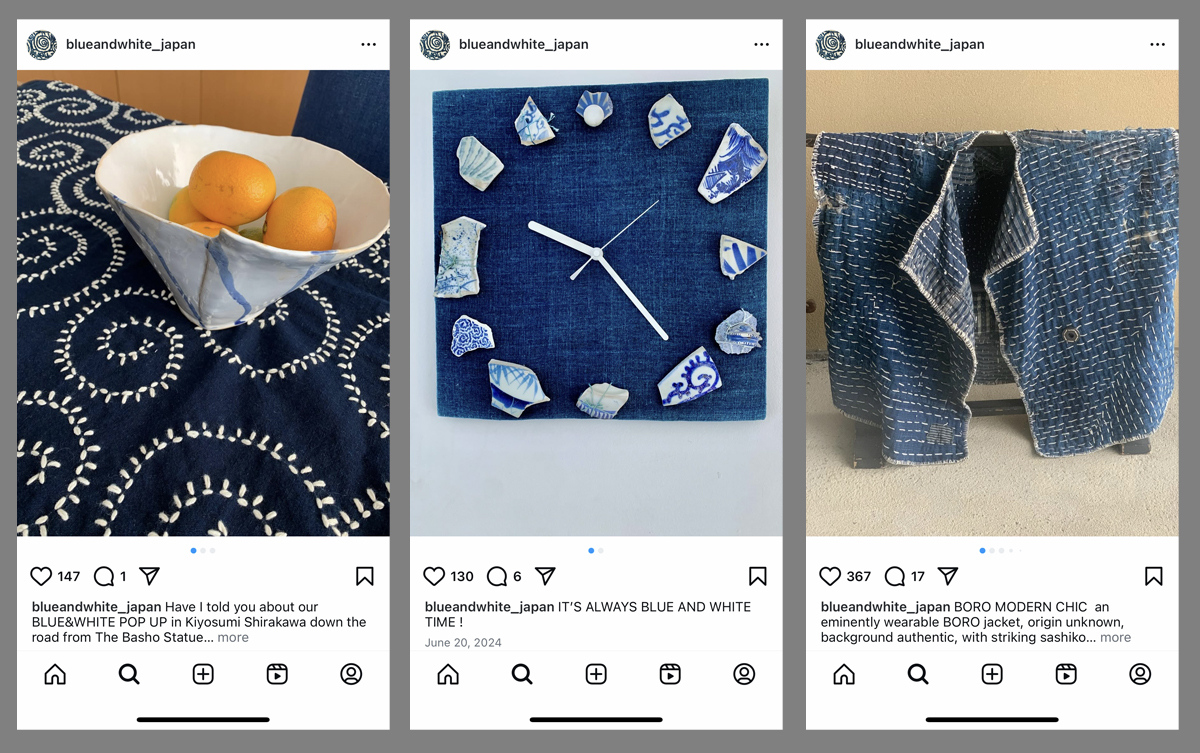
and discover new ones through the always-eyepopping Japanese art finds at @bluandwhite_japan
•
If you’d like to see a ray of Japanese sunshine amid the grim stuff in your in-box, subscribe!
If you enjoyed this, subscribe to Only In Japan! It’s freeヽ(*^ω^*)ノ
•

Jonelle Patrick writes novels set in Japan, produces the monthly e-magazine Japanagram, and blogs at Only In Japan and The Tokyo Guide I Wish I’d Had
 Only In Japan
Love this. I enjoy stitching sashiko. Thanks. D Sent from my iPhone