Miyawaki Ayako Retrospective: I saw, I cut, I applied

Quilters and other textile artists were the first to see how arts formerly dismissed as “womanly” or “decorative” could be harnessed to convey powerful insights and messages. Ayako Miyawaki didn’t begin to use appliqué as a medium until she was forty—after raising her three children—but her talent for conveying the beauty of everyday things in a deeply Japanese way burgeoned into a career that spanned four decades and was appreciated at exhibitions that spanned the globe.
“Before starting to create, look closely. In so doing, you will come to realize how vaguely we tend to see things. You will encounter the unexpected.”
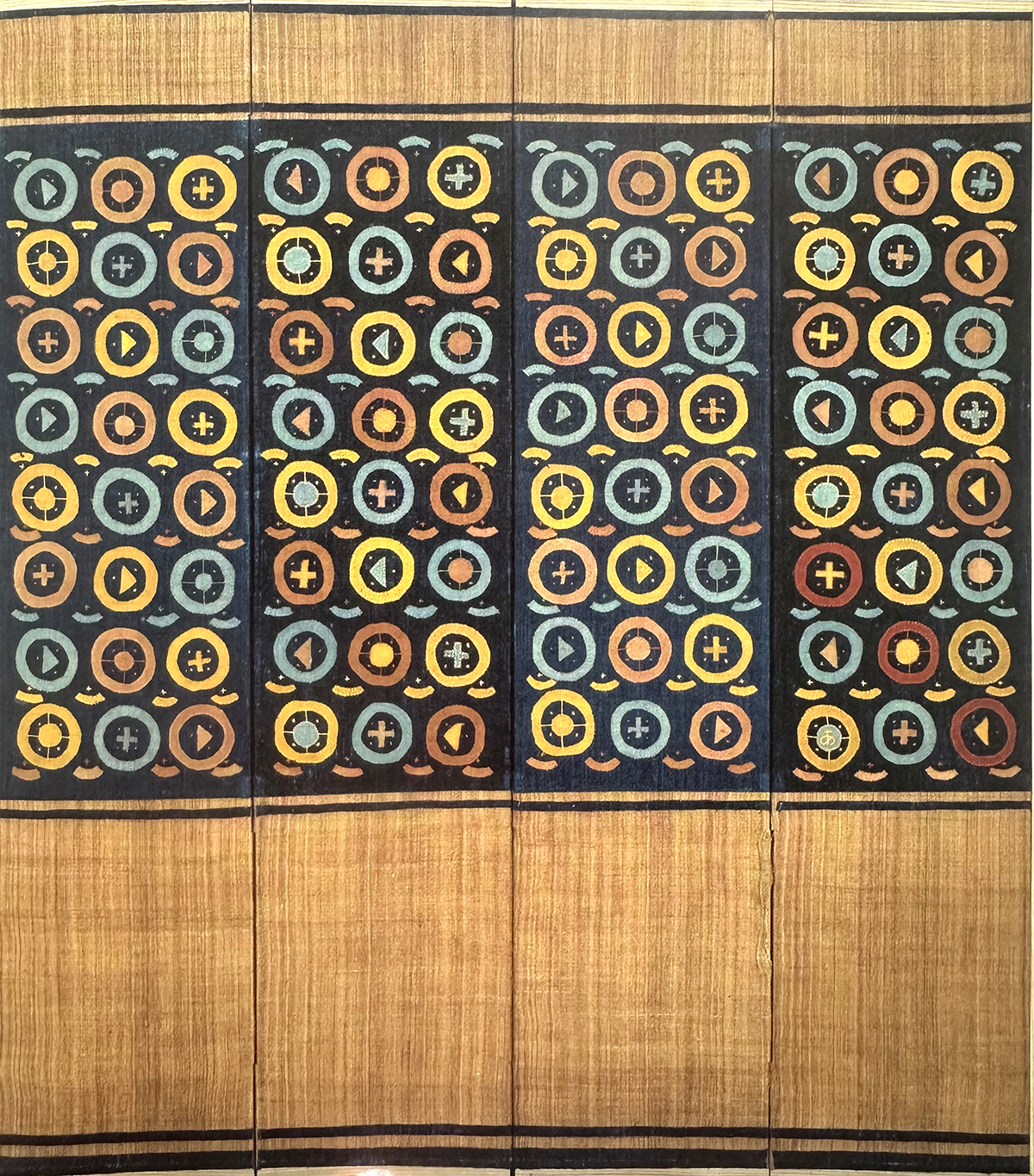
The artist who signed her work “あ” for “Ayako” discovered that looking deeply and thoughtfully at the objects she saw day in and day out—especially while cooking—rewarded her with surprising insights. For example, here are the different geometries that emerged with each slice as she cut a pepper crosswise.
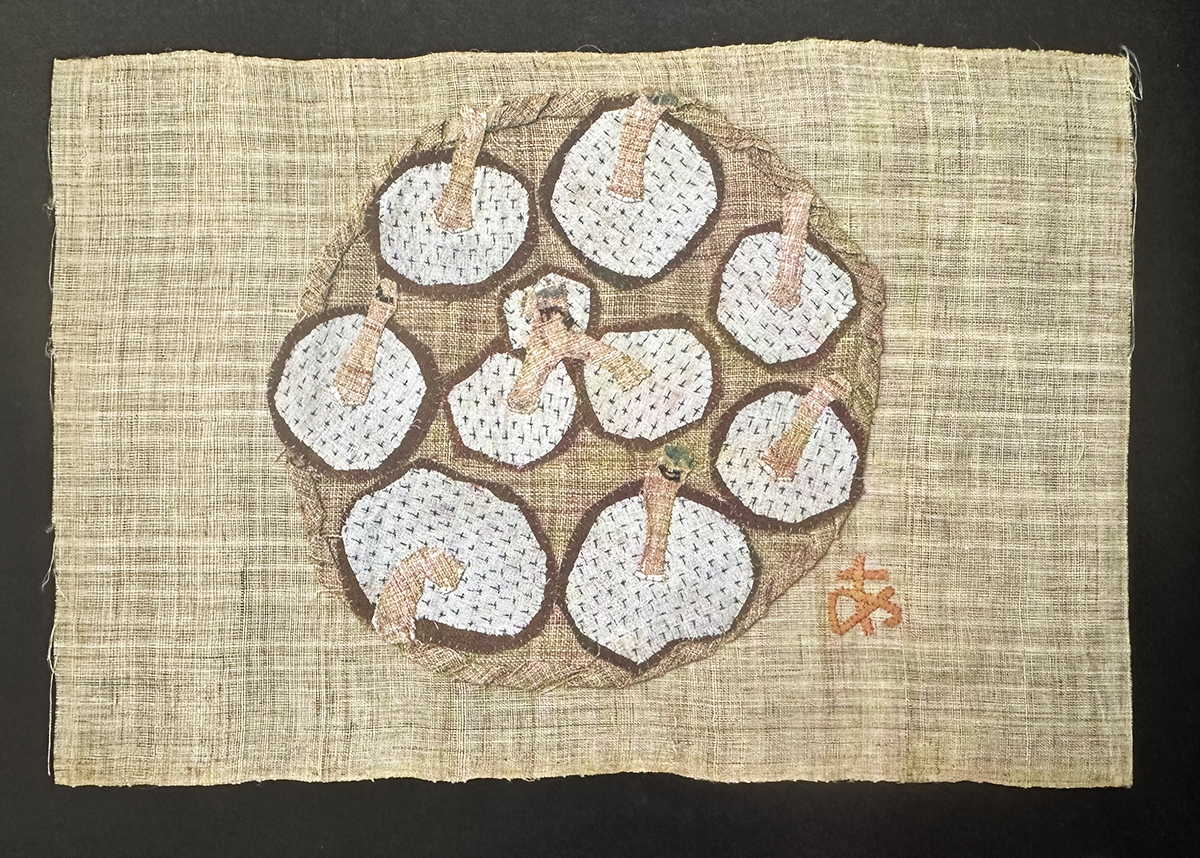
And although shiitake mushrooms are seldom portrayed from the underside, she uses this unusual perspective to show us their essential mushroom-ness as they sit in her basket, ready to slice.
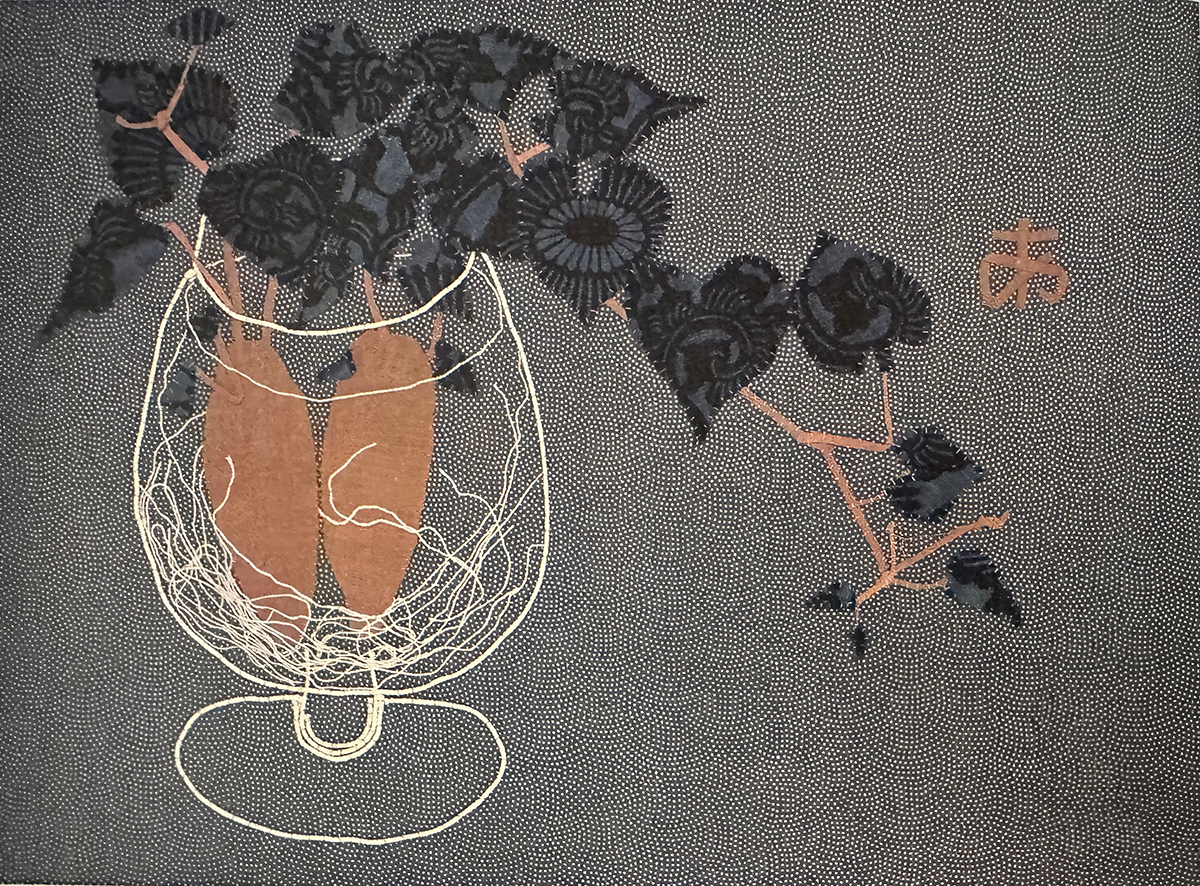
Look how she observed that the roots that grow from sweet potatoes are even more interesting than the leaves that sprout above it. See how she embracies techniques in addition to appliqué and collage, adding different materials and thread weights to her composition with embroidery and couching.
By choosing fabric patterns that convey the essential nature of an object rather than mimicking its actual appearance, she expands our appreciation of what makes something uniquely itself.
First we see the cabbage, then we notice the coiling dragons!

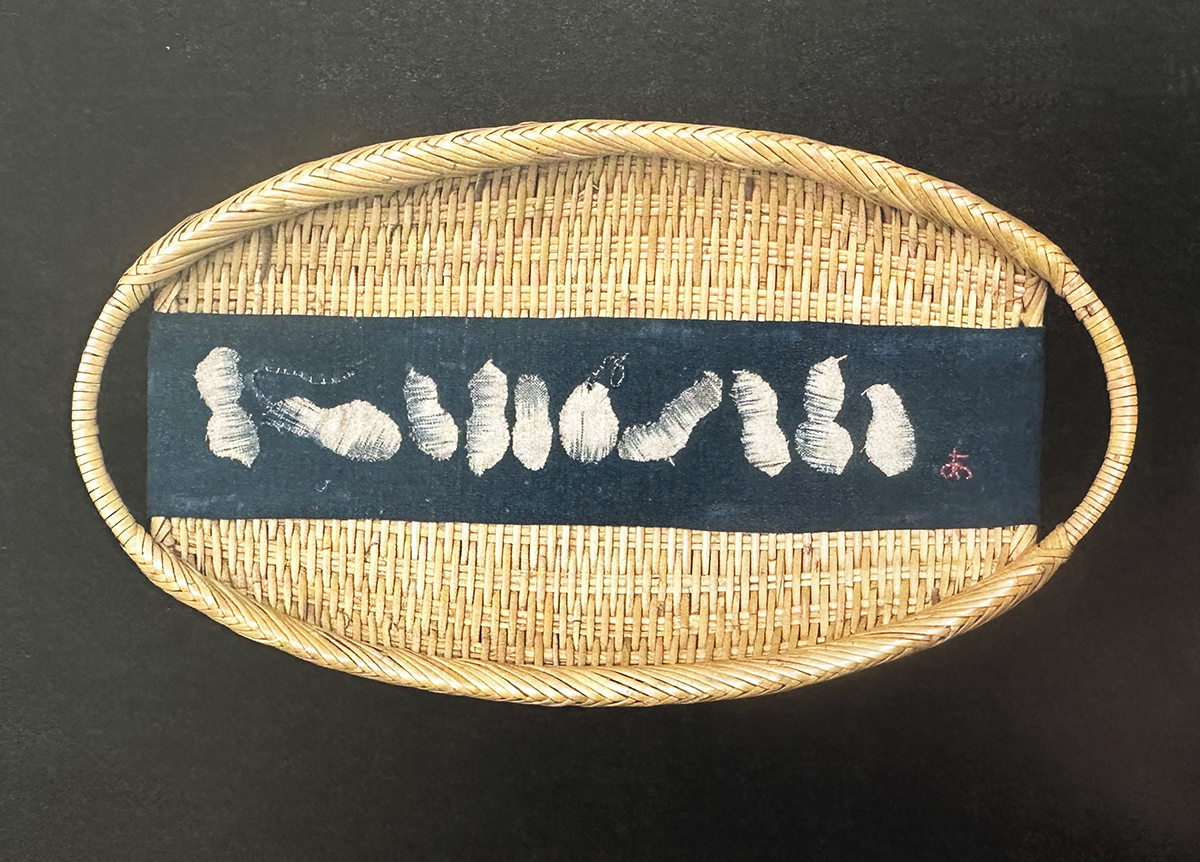
Peanuts aren’t blue and white, but these are undeniably peanutty.
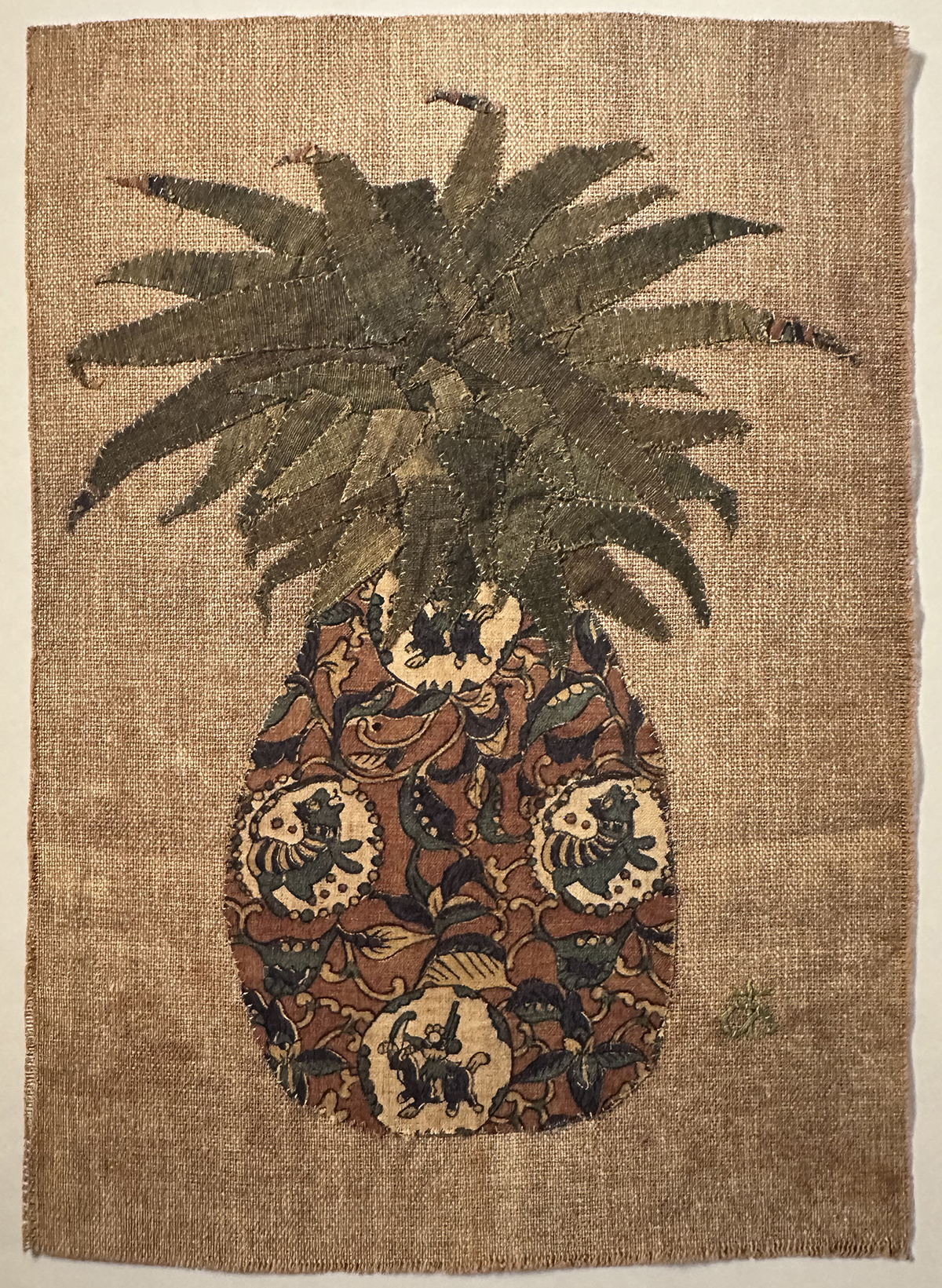
The happy roughness of this pineapple reads true even though we’ve never seen a pineapple with lion dogs on its skin
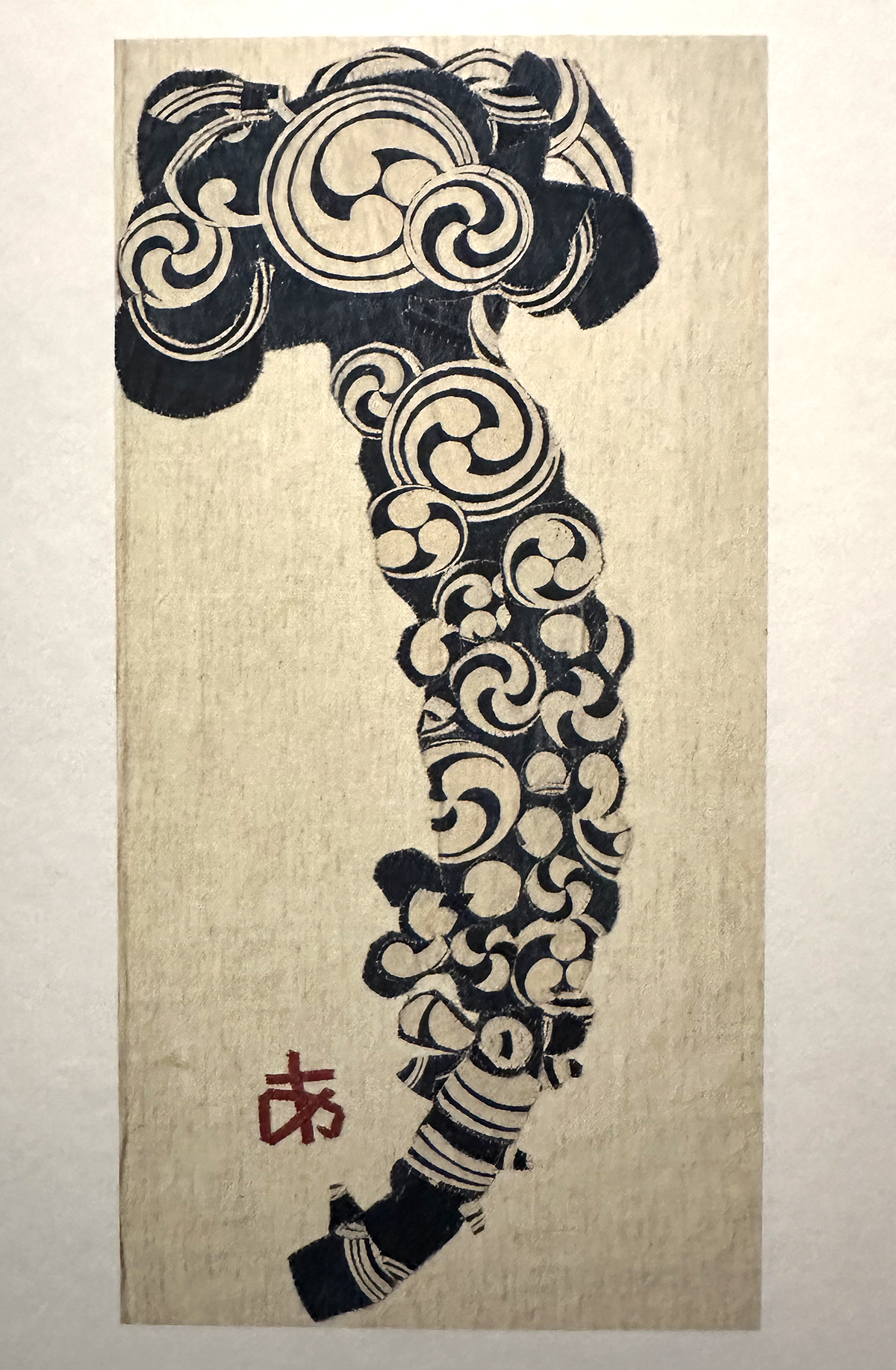
And this repurposing of traditional Japanese family crests to represent a stalk of brussels sprouts make them much more appealing than a photo.
But where Ayako Miyawaki’s truly pioneering spirit shines through is in her inspired experimentation with unexpected materials.
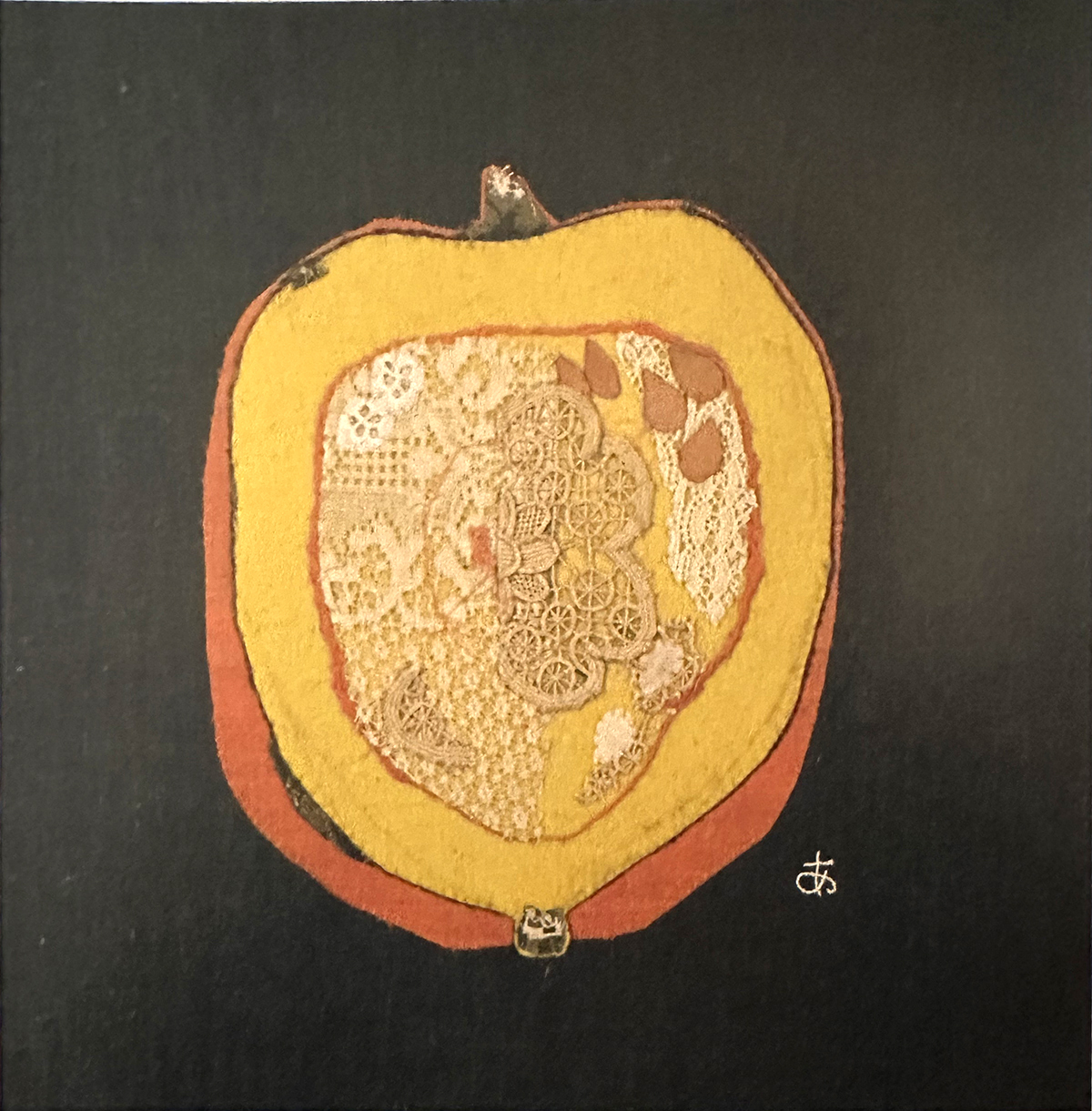
Look how she uses scraps of lace to represent the stringy bits inside a pumpkin…
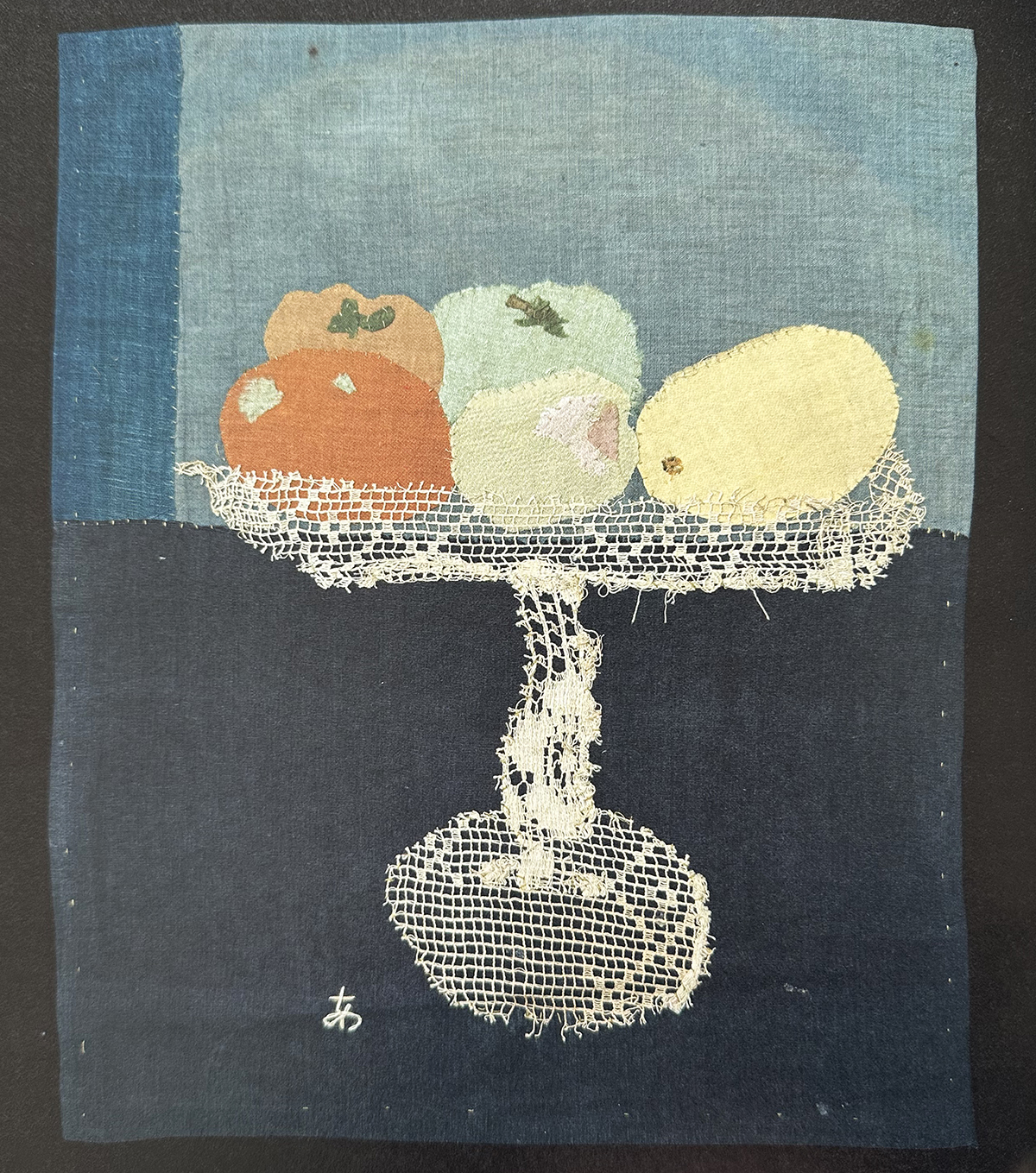
and this cut glass fruit stand.
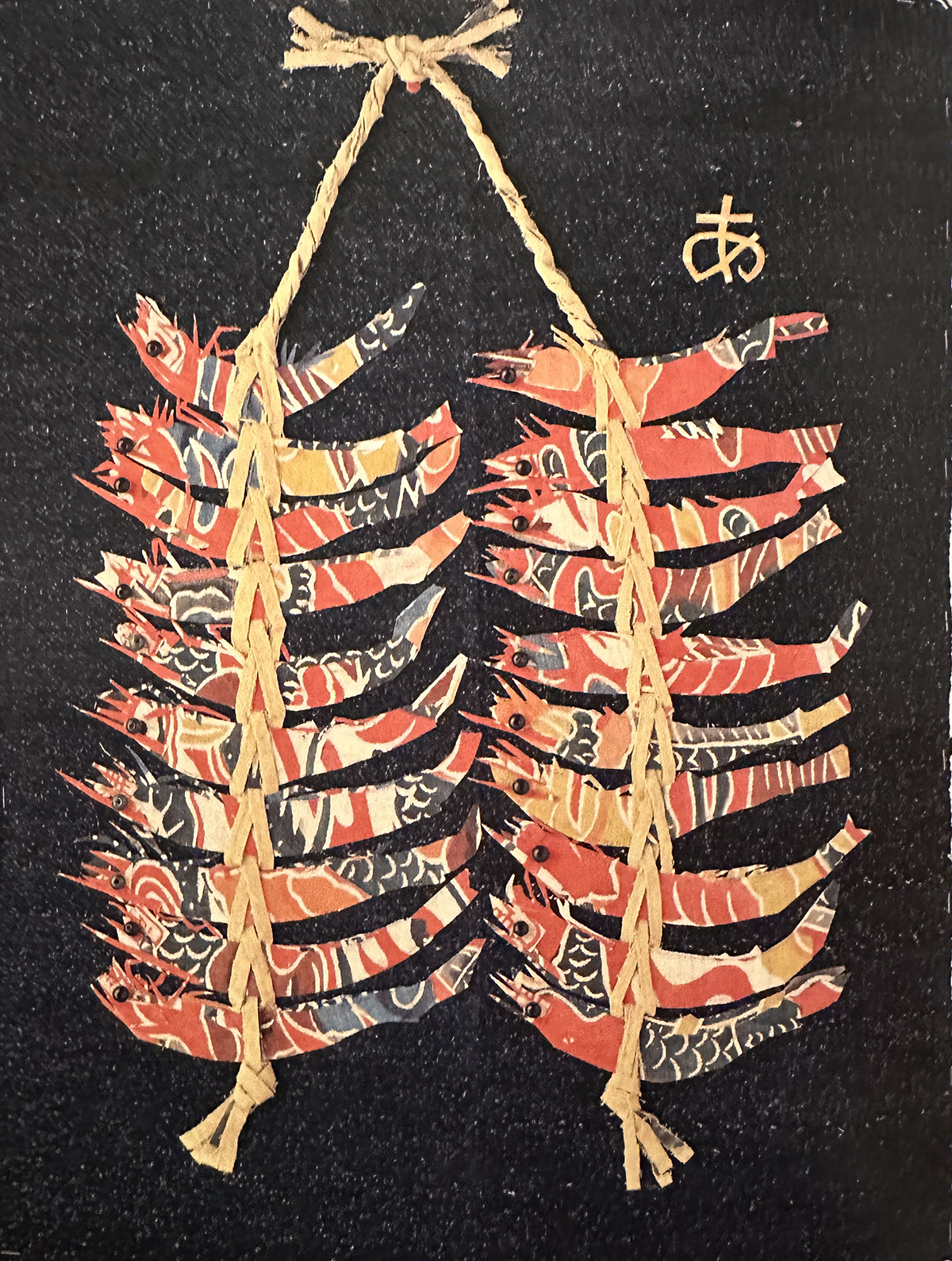
Beads perfectly communicate the innate beadiness of shrimp eyes
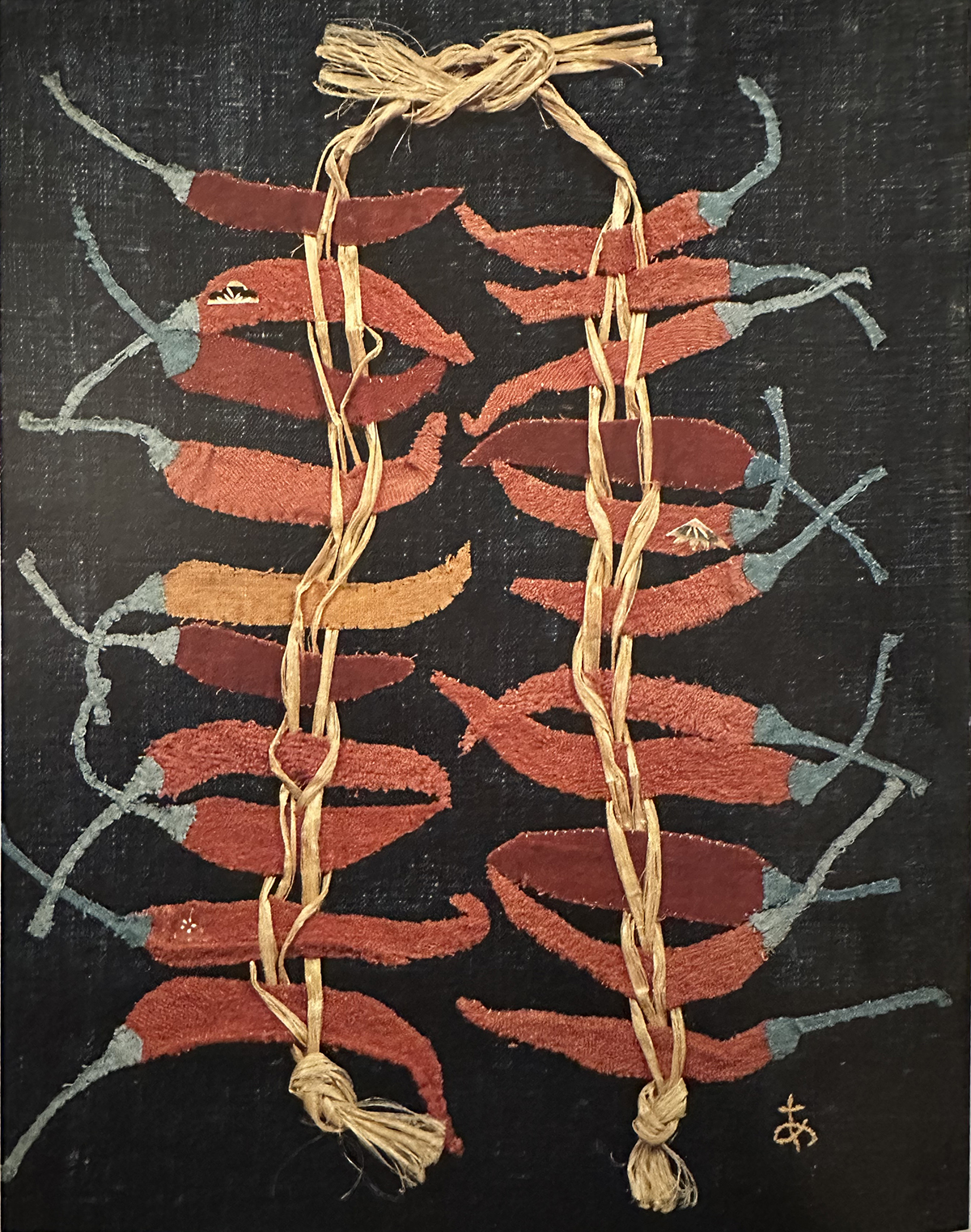
and actual rice straw weaves these peppers together in the way they’re traditionally sold in Japan.
Like quilters and collage artists all over the world, she has turned the Japanese virtue of mottainai—”too good to throw away”—into an art.
“I can’t throw away even the smallest scraps, so I keep them, and they always come in handy later…I probably won’t be able in my lifetime to make use of all the fabrics I have collected; and yet, regardless of how many I have already received, receiving more is an irresistible pleasure.”
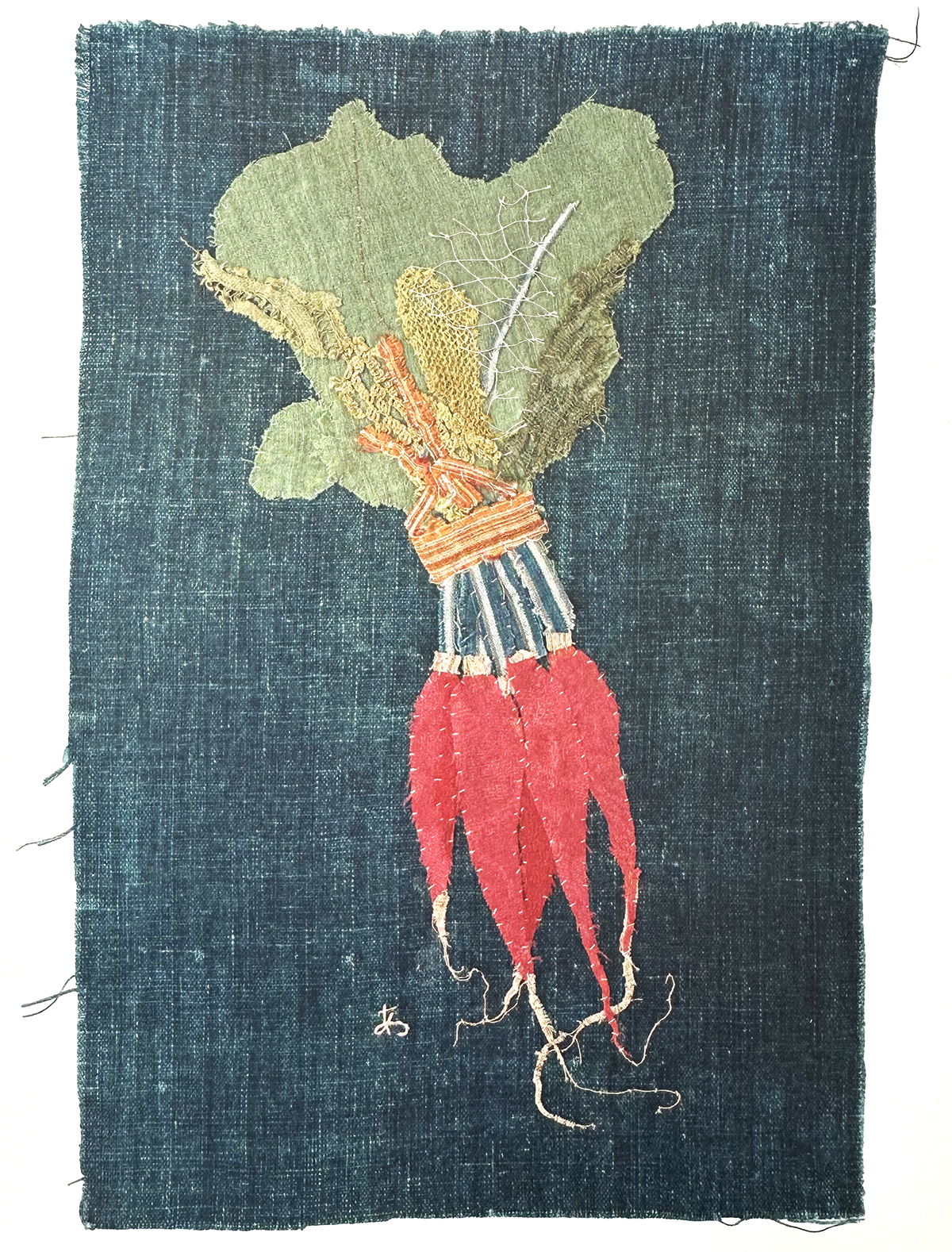
Look at the bits of wildly different materials she uses in these turnip leaves, and how one striped fabric makes the stems feel round and another represents the cord that binds them together.
She deploys vastly different materials in this “sketch” of a future work, which also illustrates how the inclusion of her sketchbooks alongside her finished works is a huge bonus.
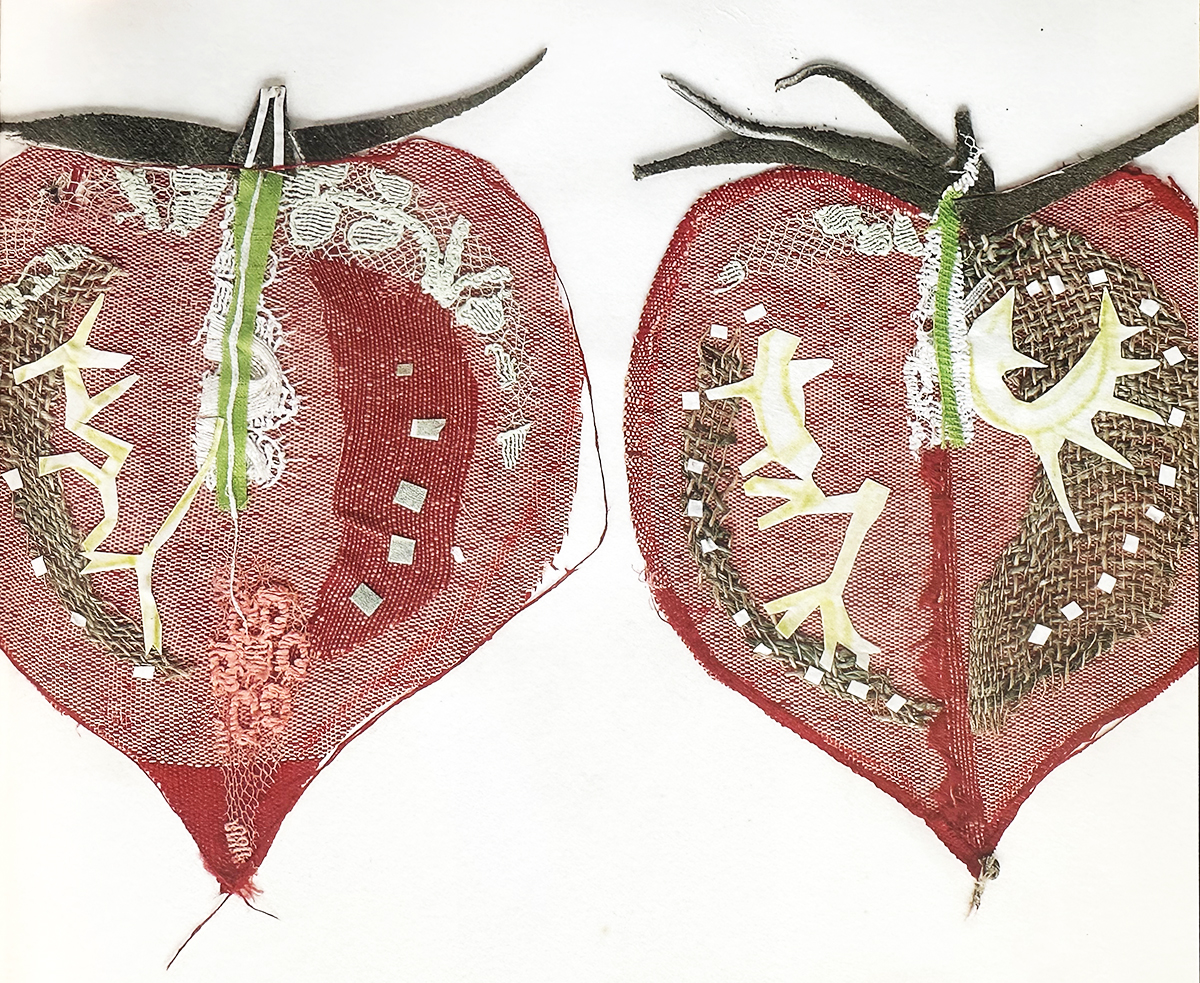
Not only can we see how a finished work evolved, the “sketches” are works of art in themselves. She doesn’t just “paint” with fabric, she often sketches with it too.
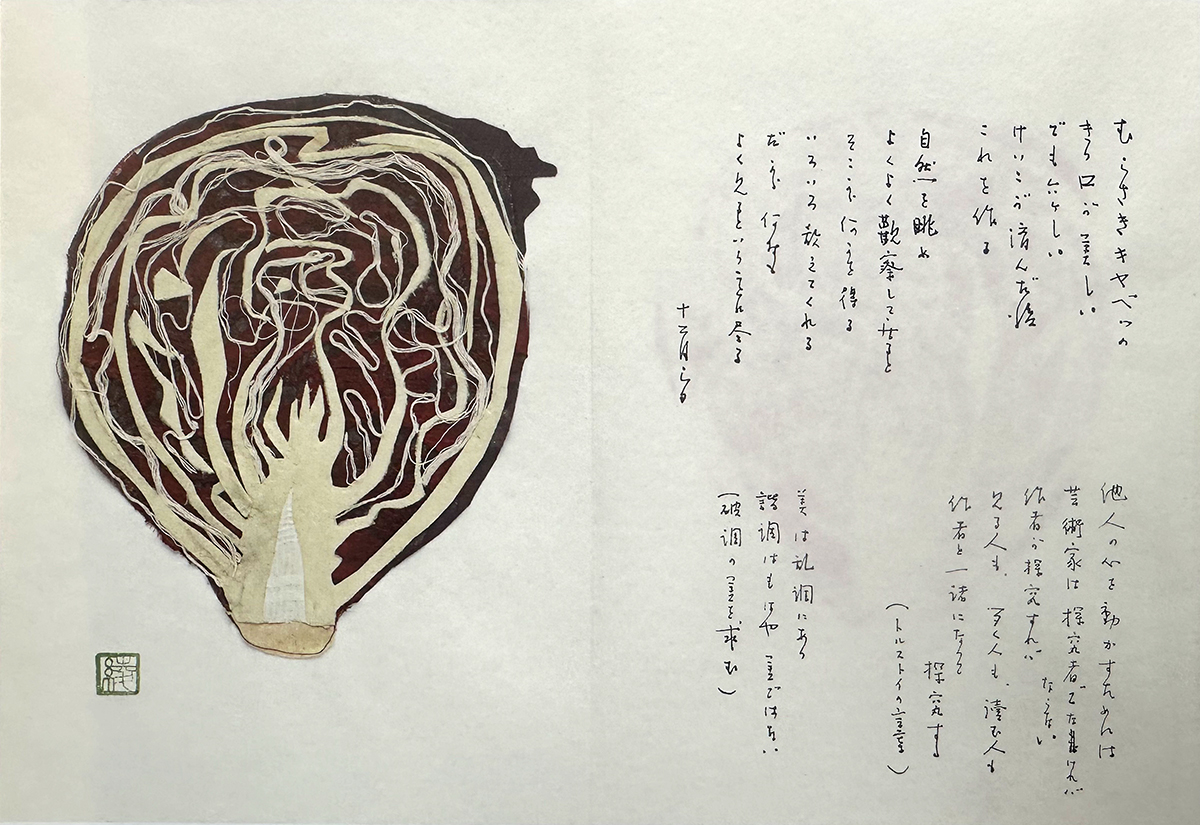
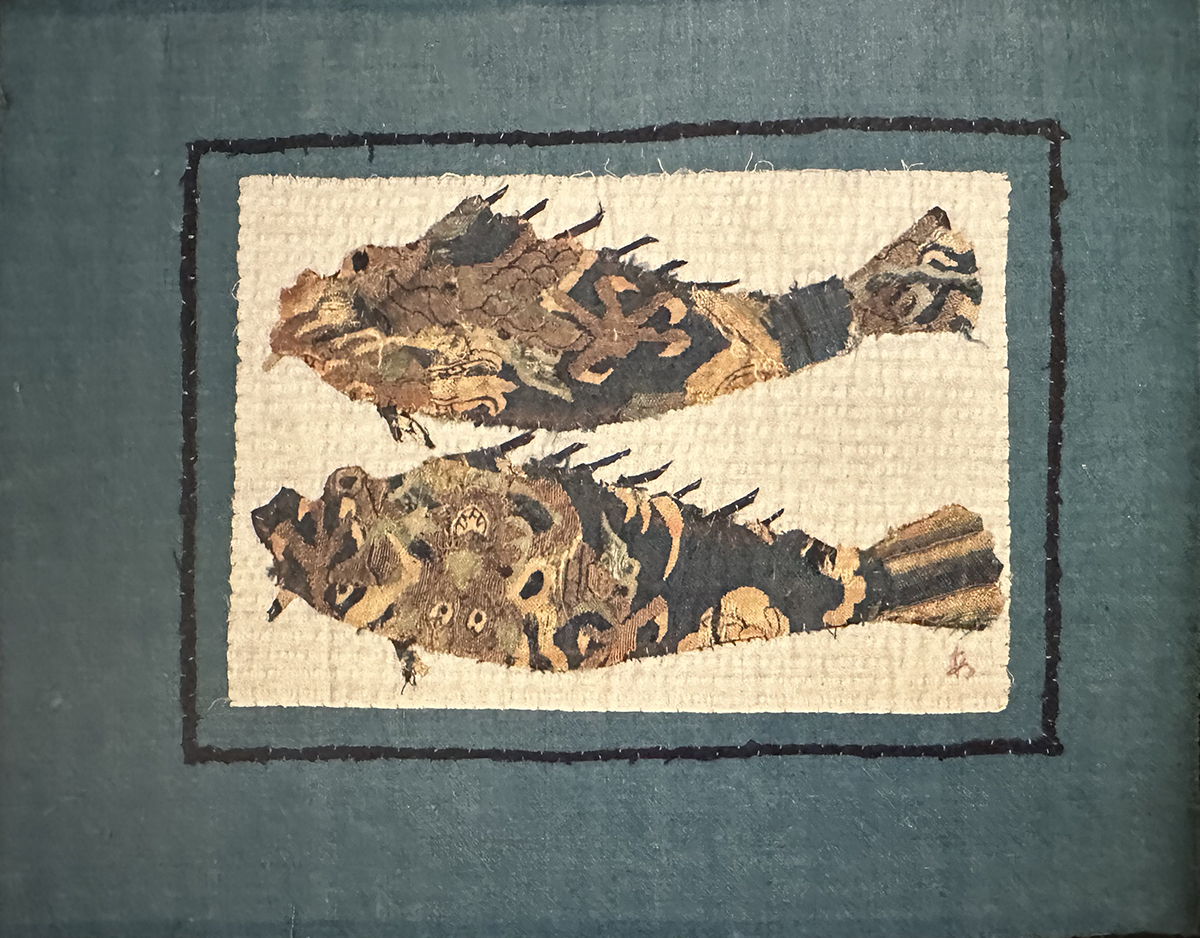
From beginning to end, this retrospective is masterful at showing the many ways she experimented with techniques and materials throughout her career, and how her insights evolved. From meticulously pieced stonefish…
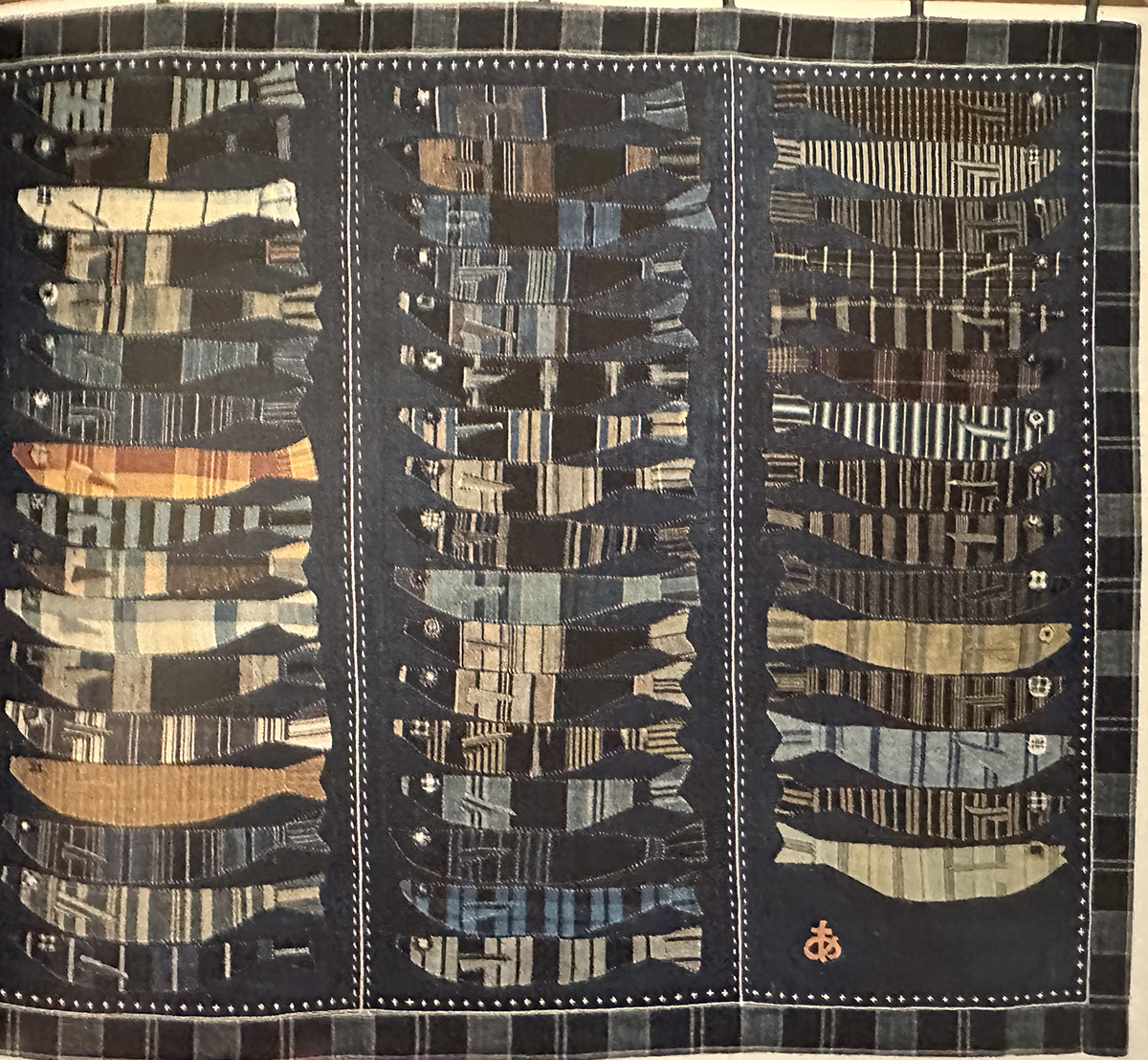
to the graphic reduction of “One Hundred Striped Fish”…
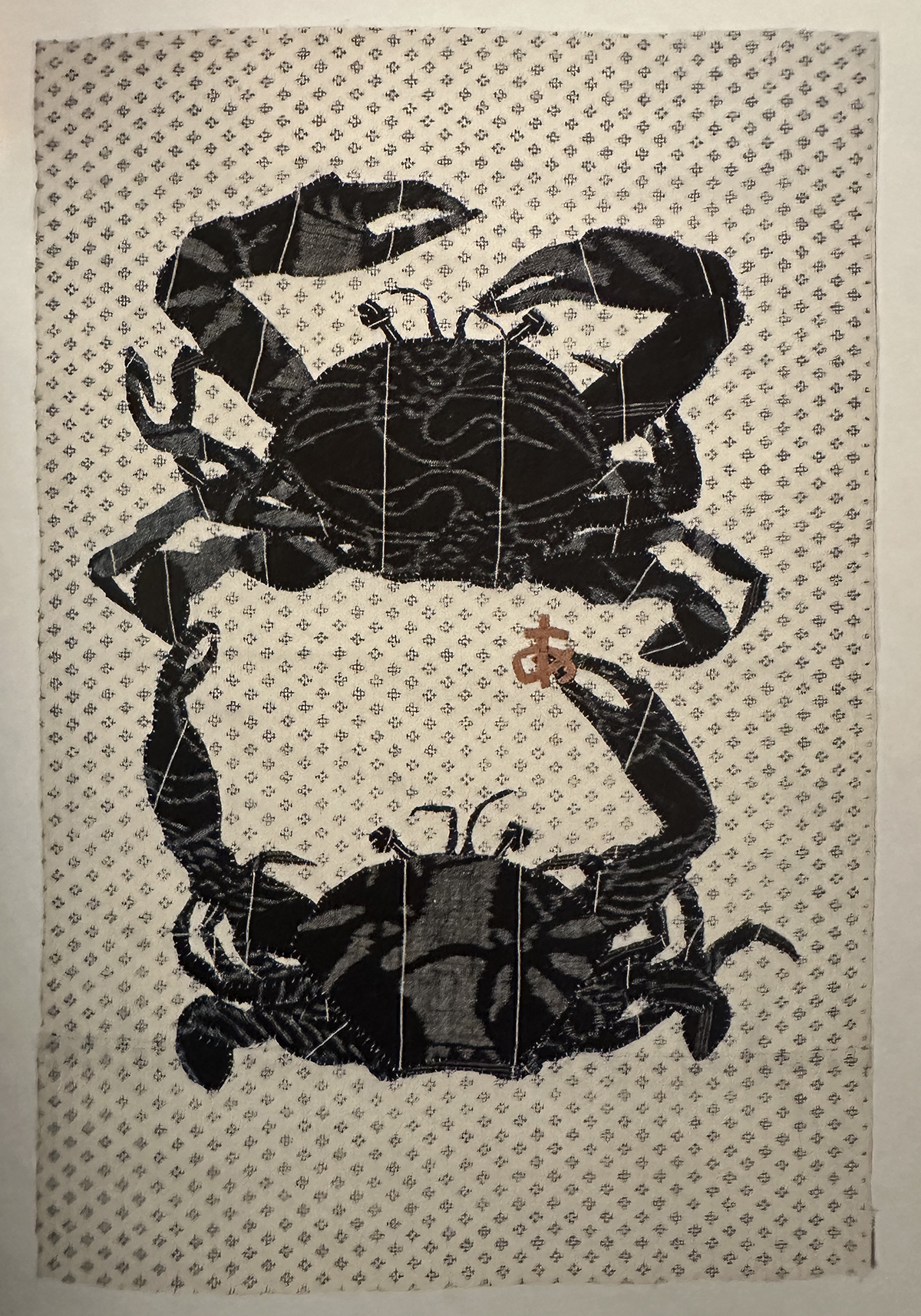
to compositions that playfully make her signature into a feature that illustrates the nature of the beast
If you are a quilter or any kind of textile artist and happen to be in Japan this spring, don’t miss this exhibition!
But even if you never thought textile art was your thing, I guarantee that the sheer joy and exuberance of this exhibit will leave you happier when you leave than when you walked in.
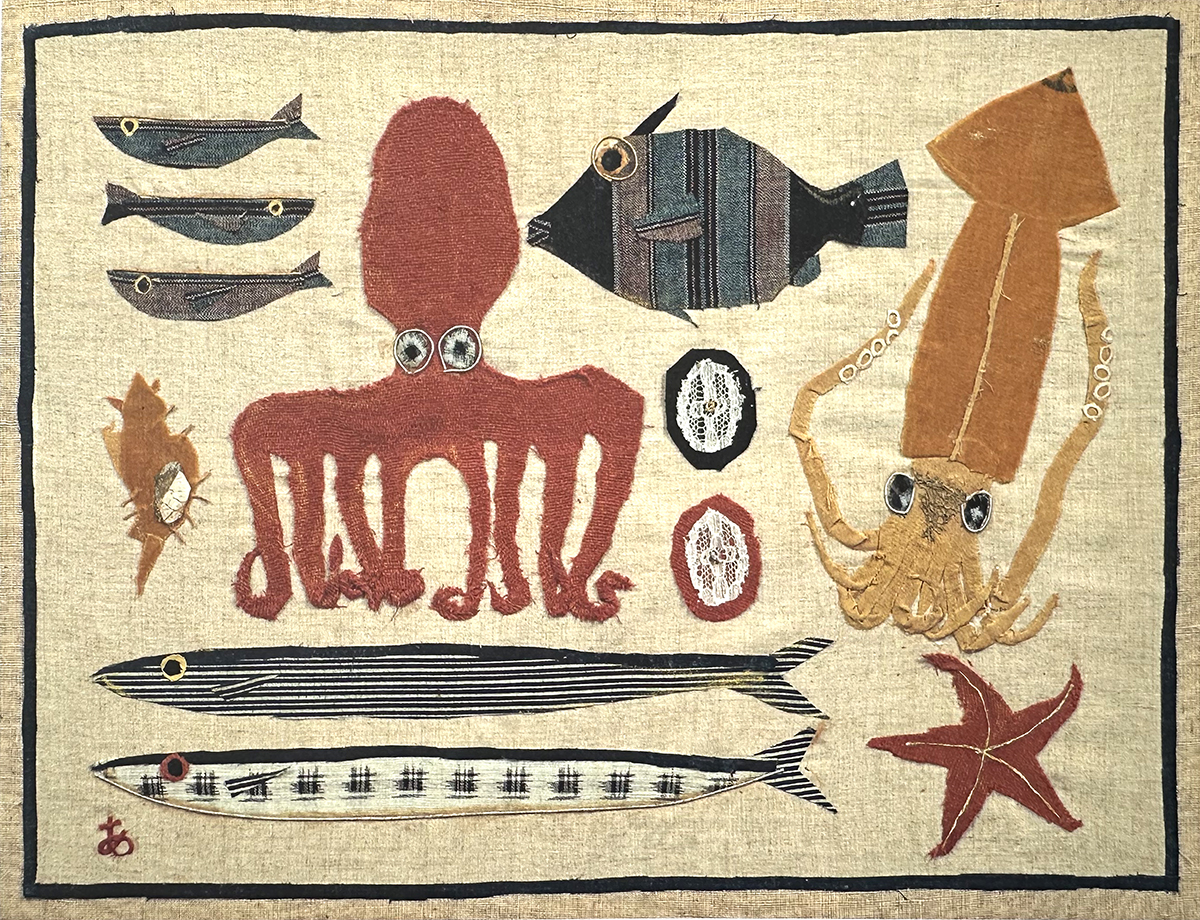
All photos courtesy of the exhibition catalogue, since taking photos in the exhibition is prohibited
Miyawaki Ayako Retrospective: I saw, I cut, I applied
Where: Tokyo Station Gallery
Dates: January 25 – March 16, 2025
Open: Every day but closed Mondays
Hours: 10:00 – 18:00, Fridays 10:00 – 20:00
Admission: Adults ¥1300
Note: The entrance to this gallery is easy to miss. From the Marunouchi North Exit, go into the Tokyo Station building at the top of the stairs. Inside the rotunda, it’ll be to your left at about 10:00.
•
If you love to laugh at strange Japanese stuff you’d never see anywhere else…
Get more Japanese goodness straight from the source!
Subscribe to my monthly Japanagram e-magazine・° ♪・☆ It’s free!

Japanese Home Cooking recipes • Beyond Tokyo travel destinations • Seasonal Secret shopping & events • The Thing I Learned Today • Why, Japan, Why? • Monthly book or J-swag giveaway
 Only In Japan
These are fantastic – I especially love the crabs. Bookmarking as inspiration. Thank you!
I wish you could have seen it with me! It was just quirky enough that you would have loved it, despite its lack of crows as inspirational material
I have been following you for wh
Hi Claudia, your message got cut off, but I love hearing from you! Thanks for following and enjoying (I hope!)
It was praise, and thanks for peaceful posts
My sister in appreciating peaceful posts and uplifting content in this time of harrowing news. Nothing makes me happier than hearing this was a small bright candle in your day!